
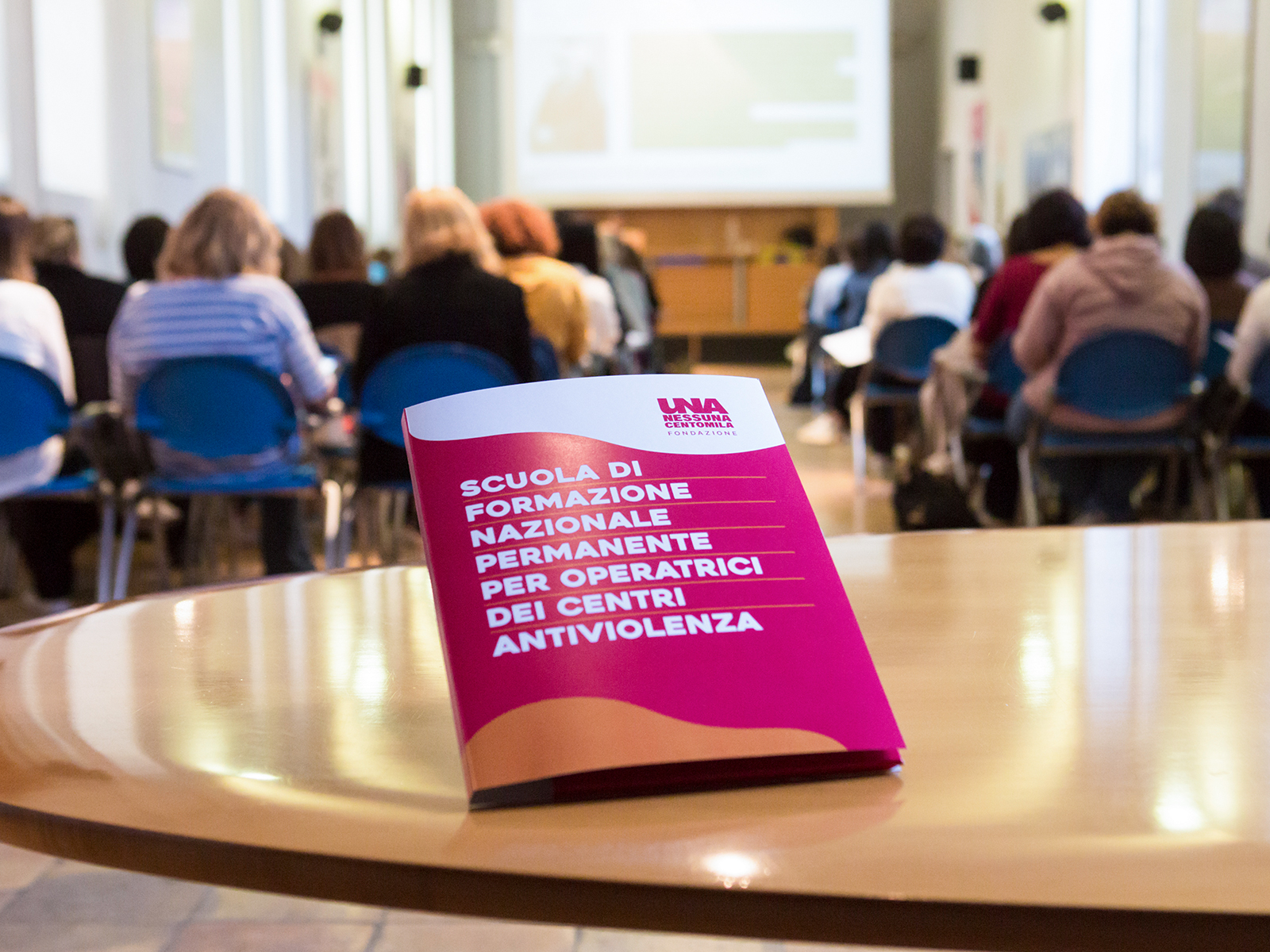
Supporting a woman who has experienced violence on her journey towards renewed independence requires empathy, preparation and specialised skills. It is sensitive and demanding work, with practitioners at Anti-Violence Centres facing complex situations every day. In these circumstances, it is essential to have access to appropriate tools and a network of professionals and services with whom they can exchange experiences and seek support.
For this reason, tackling gender-based violence also means investing in the training of those who work alongside women every day. Sharing experiences gained in different regions, strengthening skills and improving collaboration between centres helps develop increasingly effective interventions that better respond to women’s needs.
These are the challenges addressed by the Permanent Training School for Anti-Violence Centre Practitioners, established by Fondazione Una Nessuna Centomila and supported by Fondazione Marcegaglia. Launched in 2025, the project has already completed its first training cycle and is preparing to welcome new participants, continuing its efforts to strengthen practitioners’ skills and professional recognition throughout Italy.
From Local Experience to a Shared Body of Knowledge
The Permanent Training School was established to address a specific challenge: the level of training among practitioners at Anti-Violence Centres varies considerably across Italy. These differences concern both technical and operational knowledge and the cultural understanding needed to address a complex issue such as gender-based violence.
There is also another challenge. Much of the expertise developed within the centres is passed on through direct experience and exchanges between colleagues, without always being systematically documented in a way that makes it accessible and applicable in other contexts.
As Debora Ghietti, Secretary General of Fondazione Una Nessuna Centomila, explains, the School was created precisely to address these disparities:
“The School was established in response to a range of needs. The most significant is the considerable disparity in training among practitioners in different regions.”
Another priority is to collect and share the knowledge developed within individual centres, ensuring that valuable experiences and working methods are not lost. Without clearly defined methods and tools, interventions may be less effective, with potential consequences for women’s safety and the quality of the support they receive.
For this reason, the training programme is structured around two complementary dimensions: one cultural and political, the other technical and operational. The aim is to build on the experience gained by individual centres and turn it into shared expertise, while respecting the distinctive characteristics of each organisation.
Over 460 Practitioners Trained, with 510 Participants in the Second Edition
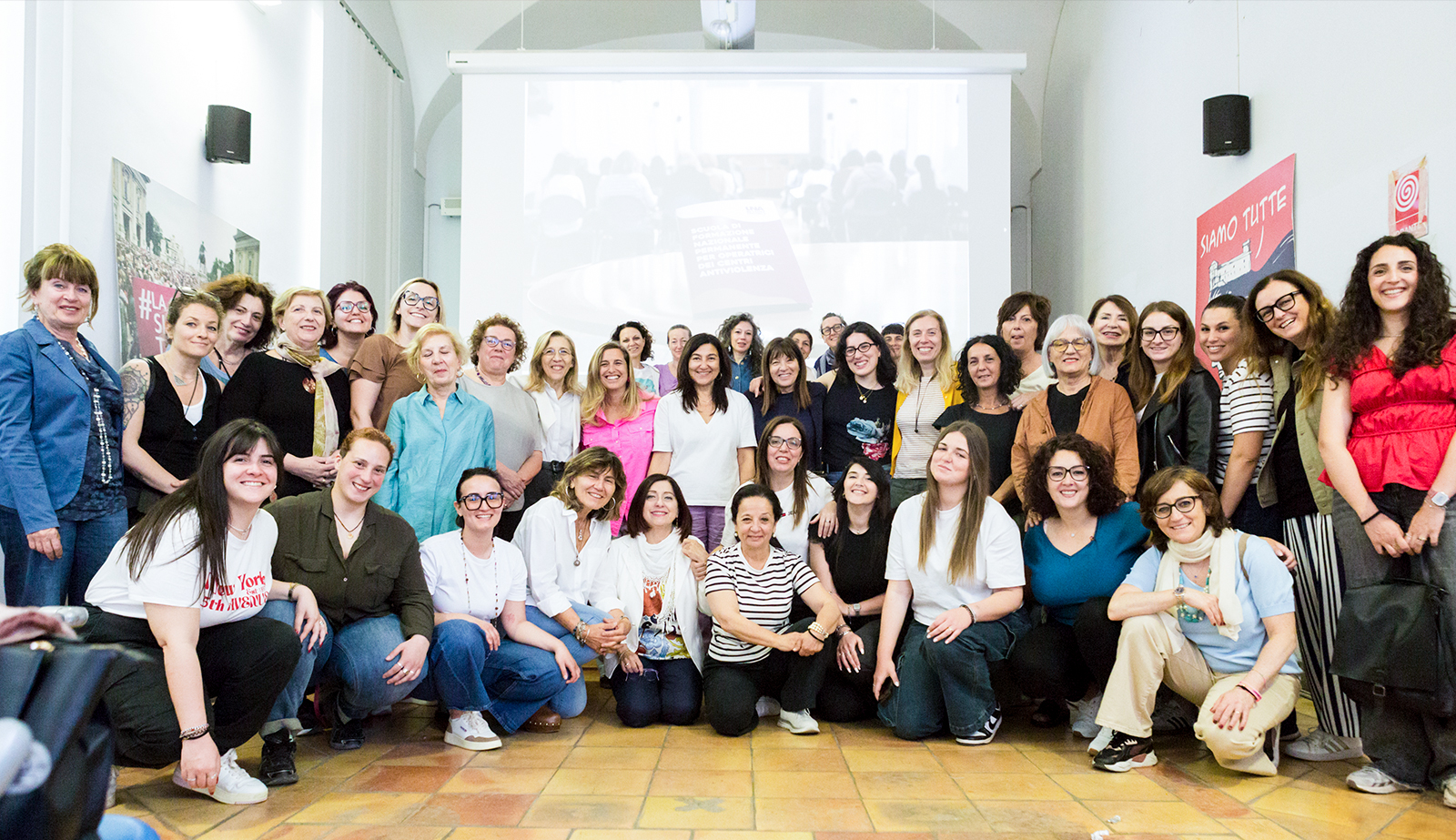
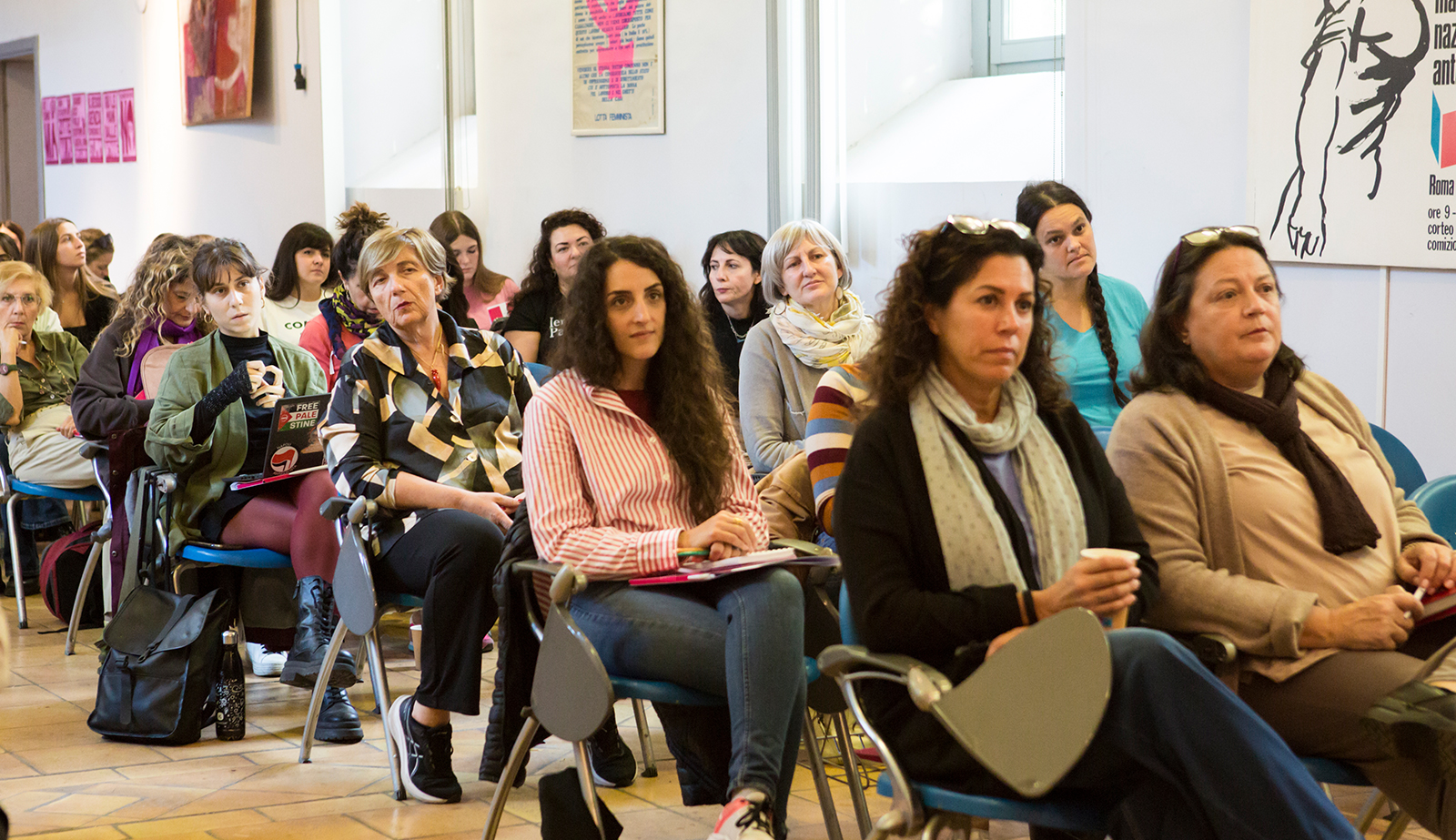
The first edition of the School, which concluded in June 2026, involved more than 460 practitioners from Anti-Violence Centres across Italy, creating opportunities for training and exchange among professionals from different backgrounds.
Alongside experienced centre practitioners, contributors included historians, legal experts, psychologists, university researchers, cultural mediators and professionals working in human rights, social services and the third sector. This diversity of expertise made it possible to explore gender-based violence from different perspectives, bringing the everyday experience of support services into dialogue with specialist knowledge and academic research.
The second edition will begin on 30 October 2026, bringing together 510 practitioners already working in Anti-Violence Centres throughout Italy, also thanks to the support of Fondazione Marcegaglia.
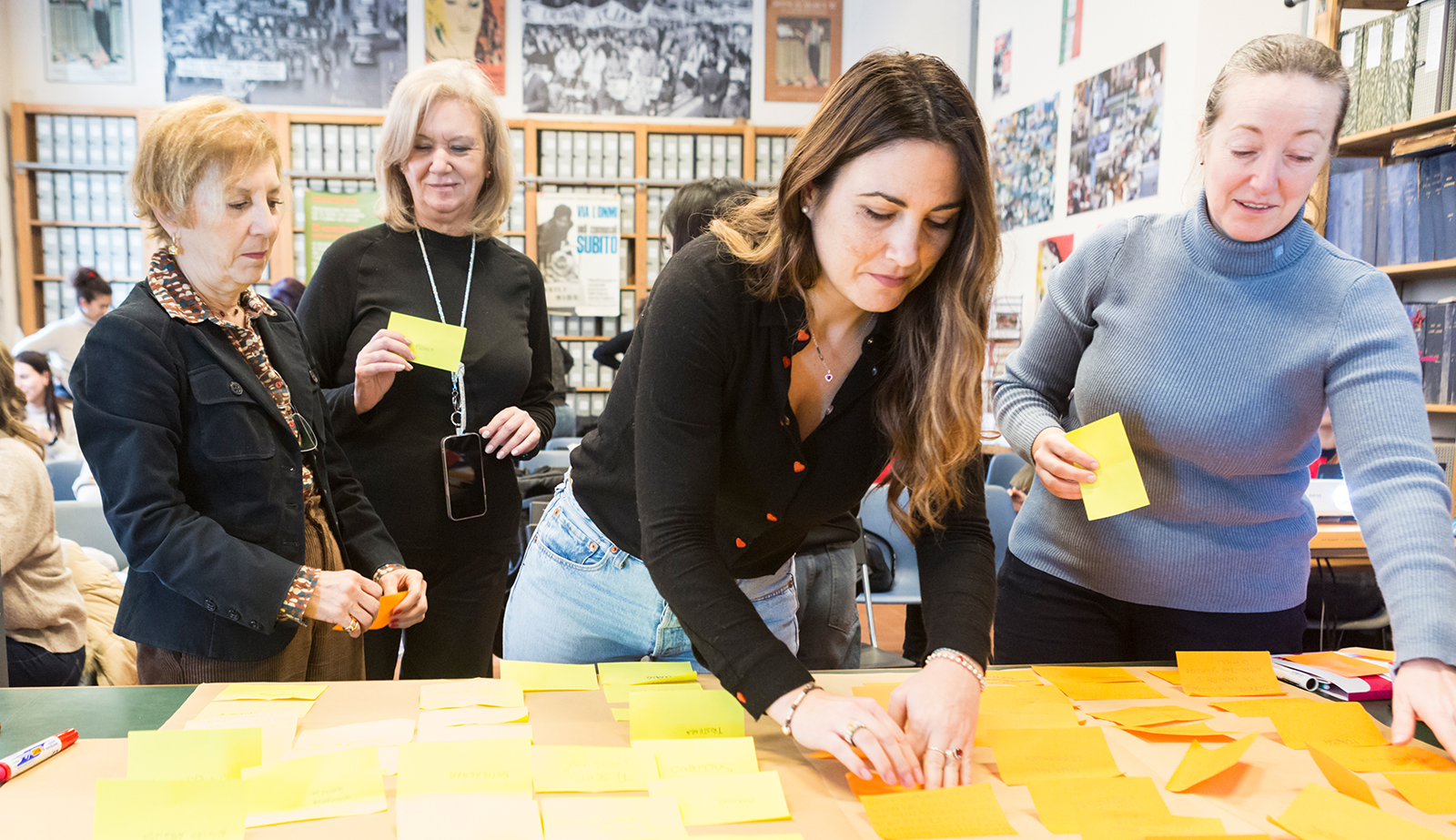
The new programme will place even greater emphasis on experiences developed directly in the field, through a peer-learning approach that puts participating organisations at the heart of the training. One centre will present a practice tested in its daily work, while two others will explore it further through questions and observations.
This approach responds to a need identified during the first edition: learning what works in other contexts, comparing tools and approaches, and making successful practices easier to share and adapt across organisations.
As Debora Ghietti explains, the School has also become “a space for building networks between organisations, which are increasingly eager to learn about effective practices developed by other centres.”
The Value of Partnerships Between Anti-Violence Centres, Research and Institutions
Sharing expertise goes beyond collaboration between individual Anti-Violence Centres. To improve the quality of interventions, it is important that knowledge gained through practical experience can also engage with academic research, institutions and other professionals involved in preventing and tackling gender-based violence.
With this aim, discussions were initiated during the School’s first edition regarding potential collaborations and formal agreements with the University of Milano-Bicocca, which leads the UN.I.RE. academic network, and the University of Bari, within the framework of the National PhD Programme in Gender Studies.
Dialogue between different organisations and institutions helps bring together expertise that often operates in separate fields, contributing to the development of a common language and greater recognition of practitioners’ work, including in their relationships with institutions.
“Building partnerships is essential to developing a common language,” Debora Ghietti emphasises.
A shared language can help establish common tools and operational procedures, while also strengthening the professional standing of those who support women every day as they work towards independence.
This vision extends beyond a single training programme. Creating lasting connections between organisations means making knowledge more accessible, recognising the value of specialist expertise and strengthening the ability of different regions to work together.
Towards National Quality Standards for Anti-Violence Centres
The work undertaken through the Permanent Training School also looks towards a broader objective: contributing to the development of national quality standards for Anti-Violence Centres.
Shared standards would help recognise professional expertise, improve the quality of interventions and provide organisations with common criteria to guide and evaluate their work.
As Debora Ghietti points out, “the main expected outcome is the definition of national quality standards.” Achieving this goal could help ensure that women receive effective support regardless of where they live, while also increasing recognition of the work carried out by the centres.
Other future objectives include formal recognition of the professional role of Anti-Violence Centre practitioners and the development of a Code of Ethics for their work.
The first edition also devoted an entire module to prevention and engagement with local communities, exploring the importance of local partnerships and awareness-raising in building networks of protection.
These are long-term goals that require time and sustained commitment, but training and the exchange of experiences between professionals provide a practical foundation on which to build.
Supporting Training to Strengthen the Response to Gender-Based Violence
Fondazione Marcegaglia’s support for the Permanent Training School for Anti-Violence Centre Practitioners forms part of its broader commitment to preventing gender-based violence and strengthening the organisations that work alongside women every day.
Ensuring the continuity of initiatives like this means investing in the people who provide these services, in their skills and in opportunities to share experiences and tools across different regions.
Because building a stronger anti-violence network also means recognising the value of those who work within it and creating the conditions for knowledge gained in the field to become a resource for everyone.
Discover all the projects supported by Fondazione Marcegaglia
Businesses, professionals and organisations can also help support initiatives that promote training, inclusion and independence.
Discover how companies can support Fondazione Marcegaglia’s projects