
Working with men who use violence means dealing with complex situations in which acknowledging responsibility for one’s actions and embarking on a process of change are never guaranteed. This work requires training, specialised tools and ongoing dialogue among professionals, with one objective that must always remain central: the safety of women who have experienced violence.
For those working in this field every day, the opportunity to share challenges, experiences and intervention methods is particularly important. Centres operate in different regions, often with small teams, and face challenges that can be difficult to address without the contribution of professionals from other fields.
It is precisely to encourage this exchange that RELIVE – Relazioni Libere dalla Violenza (Relationships Free from Violence), a national network bringing together around 45 organisations working with men who use violence, organises an annual residential training event for professionals in the field.
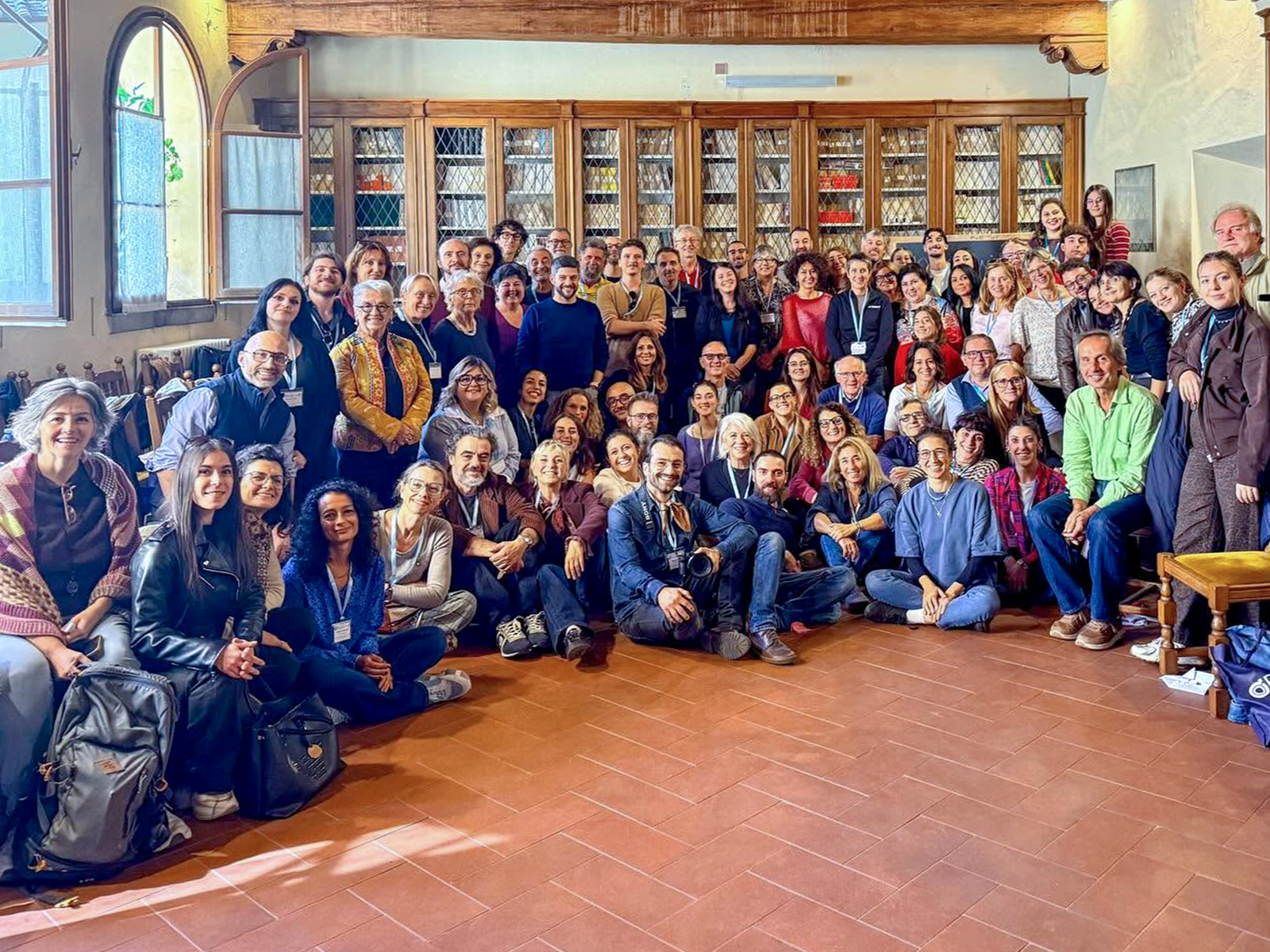
The tenth edition, supported by Fondazione Marcegaglia, took place in Camaldoli and brought together 110 professionals from 29 Centres for Men Who Use Violence (CUAVs), from Trentino-Alto Adige to Sicily. Three days dedicated to sharing knowledge, exploring the challenges encountered in intervention programmes and identifying common tools to improve the quality of services.
In Camaldoli, Different Experiences Become a Shared Resource
The theme chosen for the 10th Residential Meeting, Caring for Change, reflects the complexity of the work carried out by CUAVs. Supporting a man in acknowledging responsibility for his actions requires specific skills, as well as the ability to address resistance, denial and the difficulties that may arise throughout the process.
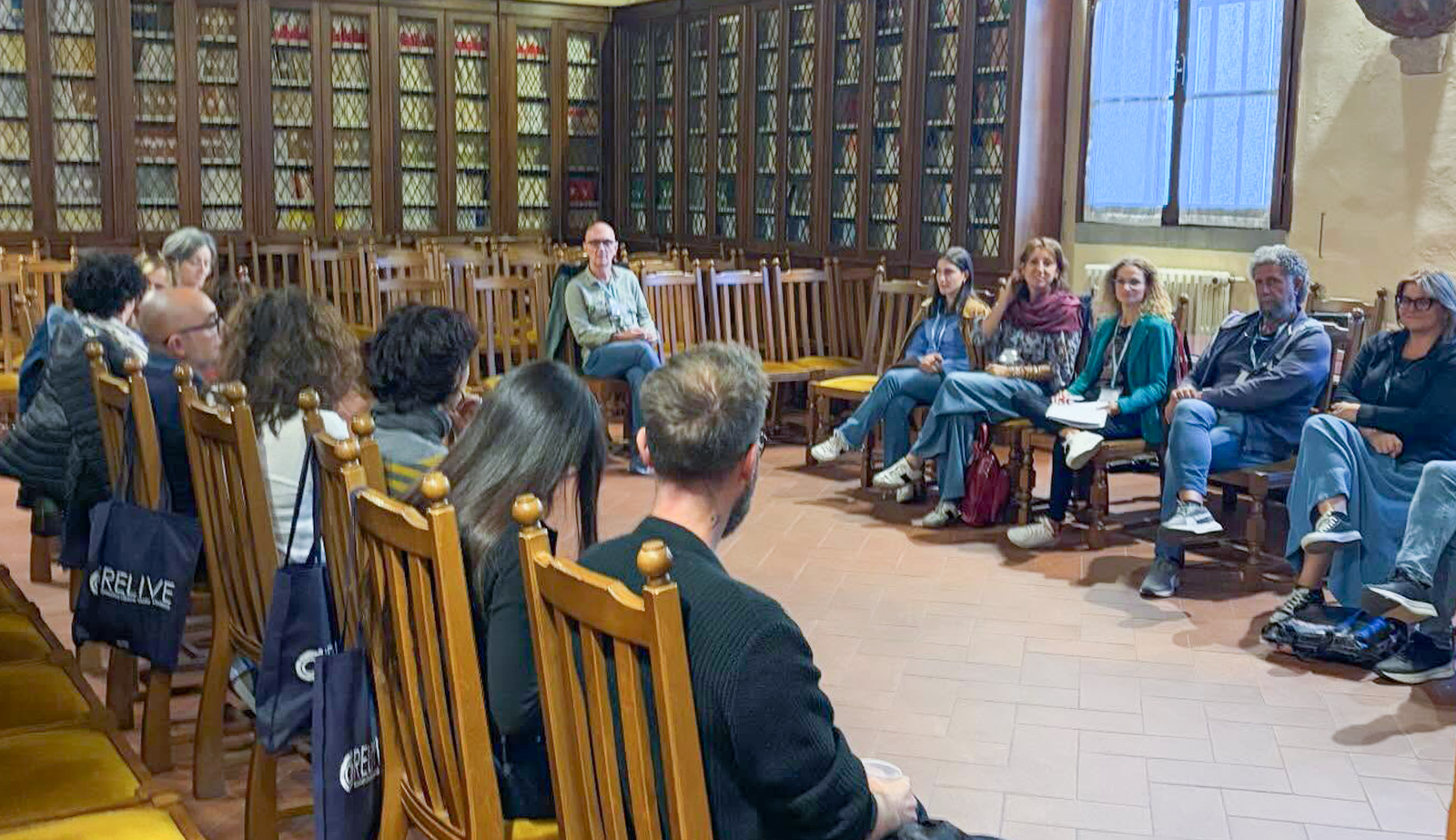
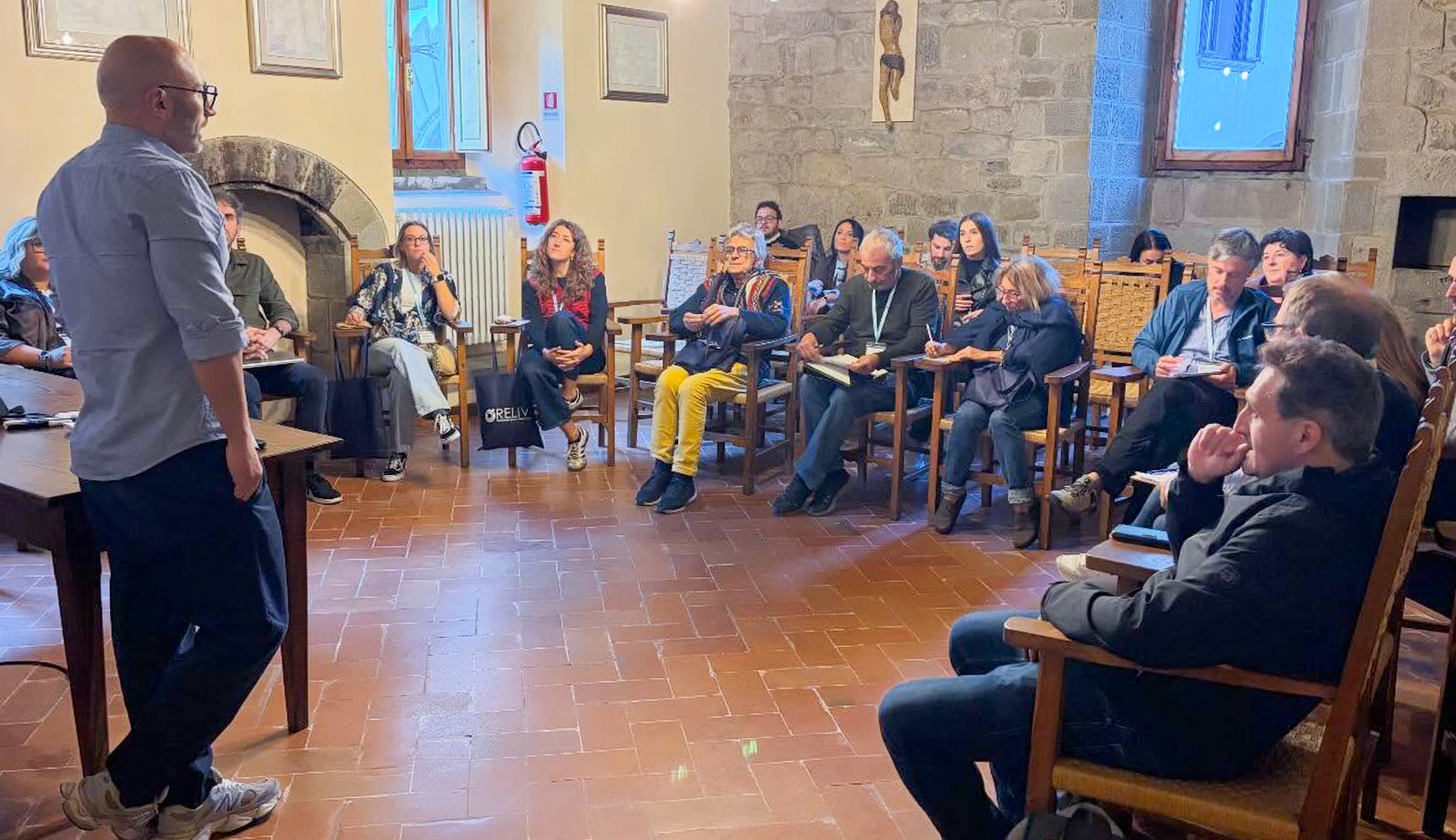
In Camaldoli, discussions began with the centres’ everyday experiences. Ten workshops, all led by professionals from the RELIVE network, provided opportunities to share tools already tested in different regions and work together to define common methods and criteria.
Topics included the use of genograms in group intervention programmes, approaches to addressing the denial of violence, and the experience of a bilingual service operating in a multilingual area. Other sessions focused on developing an initial framework for national Partner Contact guidelines and identifying shared criteria for reports requested by the Offices for External Penal Enforcement (UEPE).
Alessandra Pauncz, President of RELIVE, highlights the value of bringing together professionals who, despite sharing the same objectives, work in very different circumstances:
“Bringing these organisations together in the same room for three days means turning their differences into a resource.”
She is referring to the 29 organisations represented in Camaldoli, which differ in size, resources and local context. The meeting gave them the opportunity to share what they had learned through their work, discuss challenges and seek solutions to common problems together.
This was particularly valuable for those working in small teams, who do not always have the opportunity to exchange ideas with colleagues facing similar situations.
Accountability, Women’s Safety and the Quality of Interventions
The training explored some of the most sensitive aspects of working with men who use violence: recognising violent behaviour, addressing attempts to minimise or deny it, and supporting motivation for change.
These issues require particular attention because the process of taking responsibility cannot be limited to attending a programme. It must address men’s attitudes and behaviour while always keeping the protection of those who have experienced violence at its core.
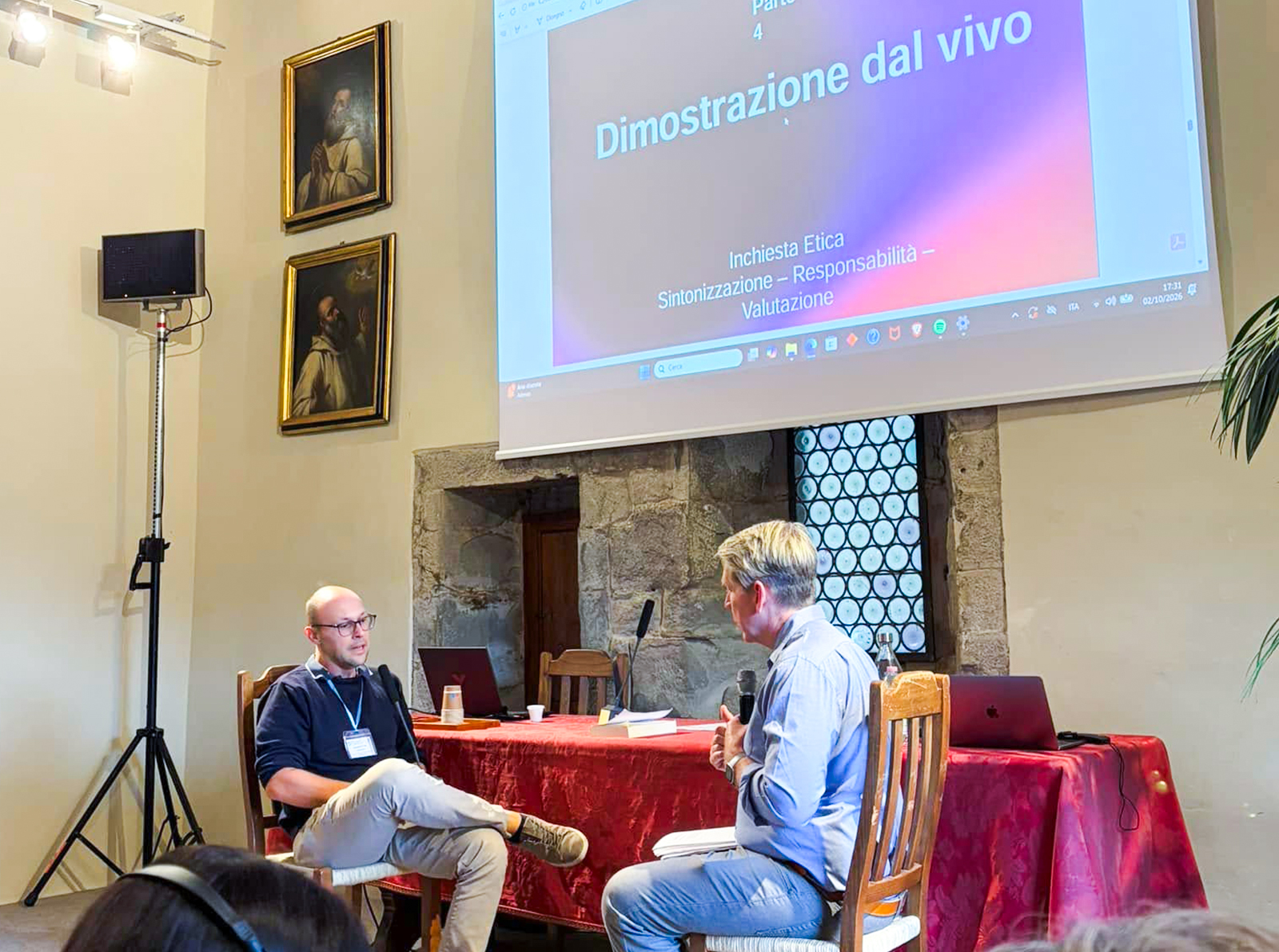
Alongside the workshops, the programme included contributions from national and international experts, whose participation was made possible through the support of Fondazione Marcegaglia. This provided an opportunity for specialist learning that individual centres would have found more difficult to organise independently.
The topics covered also included women’s safety, through shared Partner Contact procedures and safety planning, as well as the evaluation of programme effectiveness and the organisational quality of services.
For Alessandra Pauncz, the opportunity to train together has a value that extends beyond the individual event:
“Joint training helps ensure that interventions are of comparable quality, regardless of the region in which they are delivered.”
Sharing principles and tools means working towards a situation in which the quality of interventions does not depend solely on the resources or experience of an individual centre. It also encourages more effective dialogue between CUAVs, Anti-Violence Centres, social services and the judicial system, which is essential for developing coordinated responses.
Caring for Those Who Work with Violence
The Residential Meeting paid particular attention to an aspect that can easily be overlooked: the emotional demands faced by professionals in their daily work.
Working with men who have used violence means dealing with accounts, attitudes and resistance that can challenge even the most experienced professionals. Recognising these difficulties, discussing them openly and learning how to manage them are integral to the quality of the work.
For this reason, the programme in Camaldoli devoted an entire final morning to stress management and self-care.
Silvia Paris, a practitioner at CUAV Daimon, which operates in Modena and Bologna, attended the Residential Meeting for the first time and describes the value of this opportunity.
She explains that one of the most frequent challenges in her work arises during initial interviews, when men tend to minimise or deny their violent behaviour. In these situations, it is important to avoid judgemental approaches that could undermine the intervention process, while never losing sight of the perpetrator’s responsibility.
The specialist sessions offered her new tools for addressing these situations and an opportunity to reflect with colleagues on how to improve her work.
But the exchange was also valuable on a personal level. Silvia explains that, although their centre is relatively new, the team has already experienced difficult moments due to the particular nature of its work.
“I believe it is essential that these issues are brought into the open and that both our professionalism and our humanity and emotions are given equal space to be heard and addressed during these residential meetings.”
Her testimony highlights an essential aspect of training: not only acquiring new tools, but also being able to recognise and share the challenges of work that demands constant care and responsibility.
At the end of the experience, Silvia describes returning to her centre:
“It was our first residential meeting, but we returned feeling enriched and motivated beyond anything we could have imagined, both because of the exceptionally high standard and practical relevance of the sessions and because of the opportunity to exchange experiences with other centres, which is always invaluable.”
A Network That Continues to Grow Through Dialogue
Founded in 2014 by nine Italian associations, RELIVE has developed a national network dedicated to programmes that help men who use violence take responsibility for their behaviour. Dialogue between centres has become a fundamental part of this work, making it possible to share experiences, respond to regulatory and methodological developments, and improve the quality of interventions.
The Residential Meeting in Camaldoli also explored important issues for the network’s future, from programme evaluation and new regulatory guidelines to the involvement of younger generations in leadership roles. Through its connection with the European network WWP EN, participants were also introduced to Impact, a tool designed to evaluate the effectiveness of interventions.
The three days provided participants with tools, knowledge and opportunities for exchange that they can bring back to their daily work. Through this continuity and the ability to learn from one another’s experiences, RELIVE contributes to improving interventions for men who use violence, while keeping women’s safety at the centre of its work.
A Shared Commitment to Tackling Gender-Based Violence
RELIVE is one of the initiatives through which Fondazione Marcegaglia contributes to tackling gender-based violence. This commitment encompasses a range of projects focused on prevention, training and creating meaningful opportunities for people.
Discover all the projects supported by Fondazione Marcegaglia
Businesses can also help ensure the continuity of these initiatives by working alongside the Foundation to support projects promoting training, inclusion and independence.
Discover how companies can support Fondazione Marcegaglia’s projects