
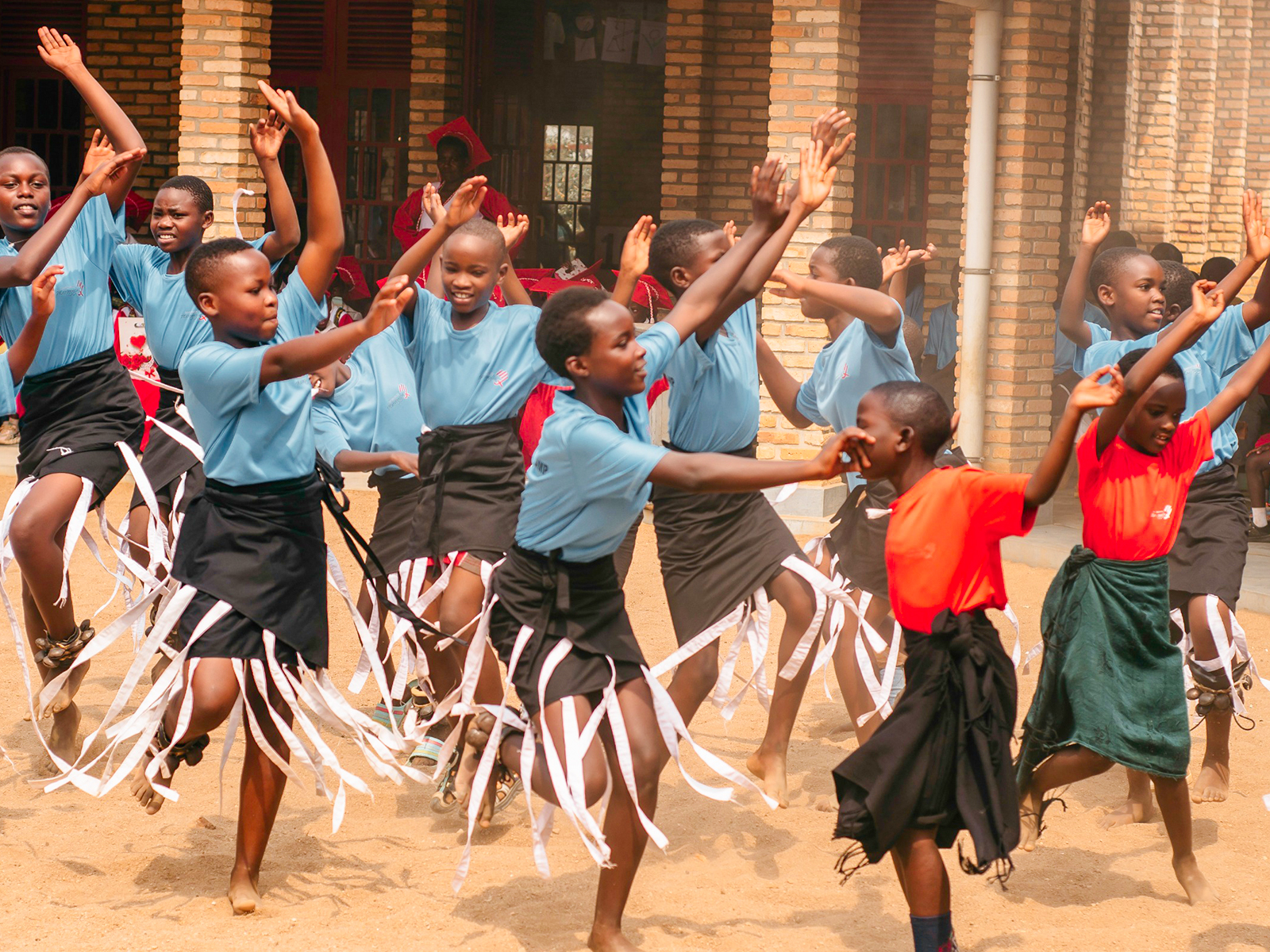
A mission to see first-hand the change we are building together
Some journeys begin with a precise schedule. And then there are journeys that, at a certain point, stop being merely a programme.
It happens when a voice, a look, or a sentence spoken almost under one’s breath transforms a project into something far more tangible. It happens when something you have read about for months in a report, followed in a meeting or described in a newsletter is suddenly there in front of you, alive and real. With a name, a story, a family and a possible future.
That is what happened to me in Rwanda.
I returned a few weeks ago from a monitoring mission to the projects that Fondazione Marcegaglia carries out in the Bugesera District, around an hour and a half by car from the capital, Kigali. Chiara Alluisini and Sara Pripitu travelled with me.
Together, we met the local team, led by Desiré Rwagaju, our partners, the students supported by the Foundation, the young people trained at our vocational centre, the women involved in microcredit programmes, the families supported through projects tackling malnutrition and school dropout, and the many children who attend the ECD Kimaranzara early childhood centre.
We left to monitor projects. We returned with faces, words and new responsibilities.
First impressions: the quiet strength of the local team
A mission like this does not truly begin when you land. It begins when you meet the people who make the work on the ground possible every day.
The Foundation’s local team is the operational heart of our projects in Rwanda: Desiré, Dieudonné, Alice, Isaie, Viateur, Delphine and Justin. They are the ones who know the communities, the families, the needs, the difficulties, the progress and also the challenges. They are the ones who turn objectives into daily activities. And they are often the first to understand when something needs to be strengthened, changed or supported more effectively.
Our meetings and conversations with the team were important moments during the mission. Not only because they allowed us to gather updates, but because they gave us the chance to listen. To understand and interpret the projects not from above, but from within.
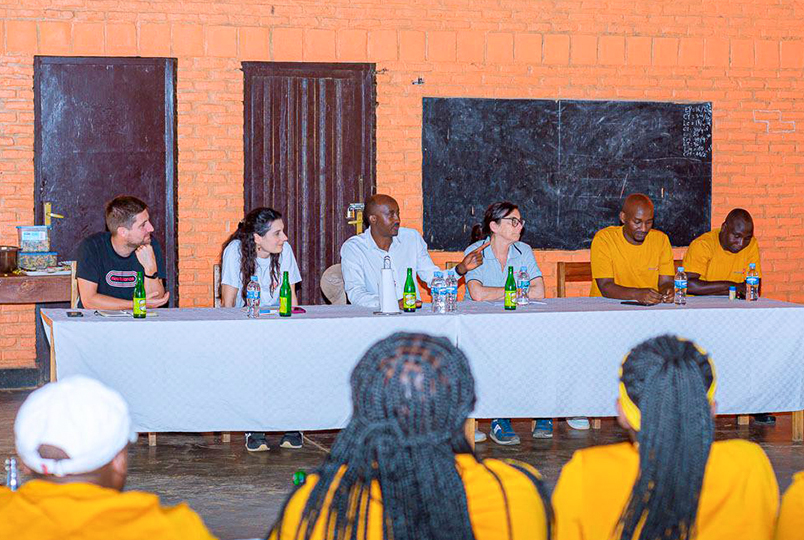
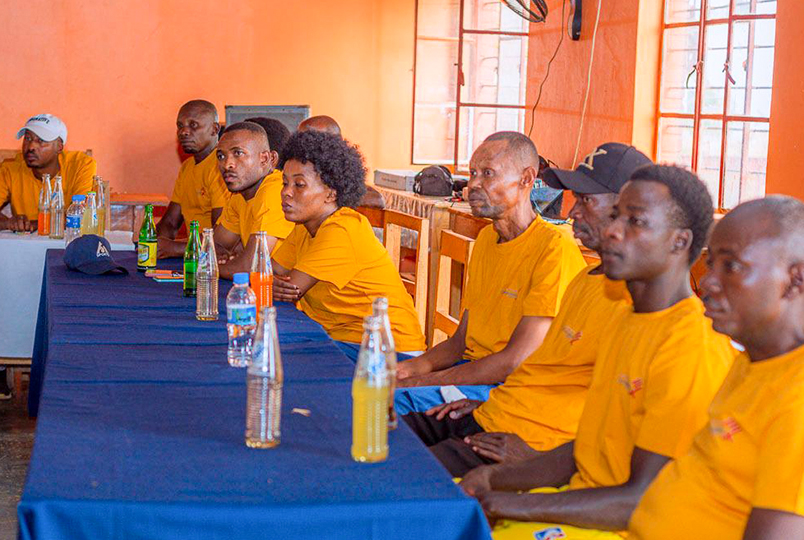
We spoke about education, training, microcredit, nutrition, young people, women and vulnerable families. Above all, however, we spoke about communities.
Because when you are on the ground, you understand something simple: a project truly works when it does not simply arrive and then leave. It works when it stays. When it builds trust, knows people by name and is able to adjust its course without losing sight of its direction.
“Your return to Rwanda is always very important because it shows the communities that these projects are not isolated interventions, but part of a shared journey. People feel seen, listened to and supported” says Dieudonné, Head of Monitoring, Evaluation and Learning.
Children growing, communities taking part
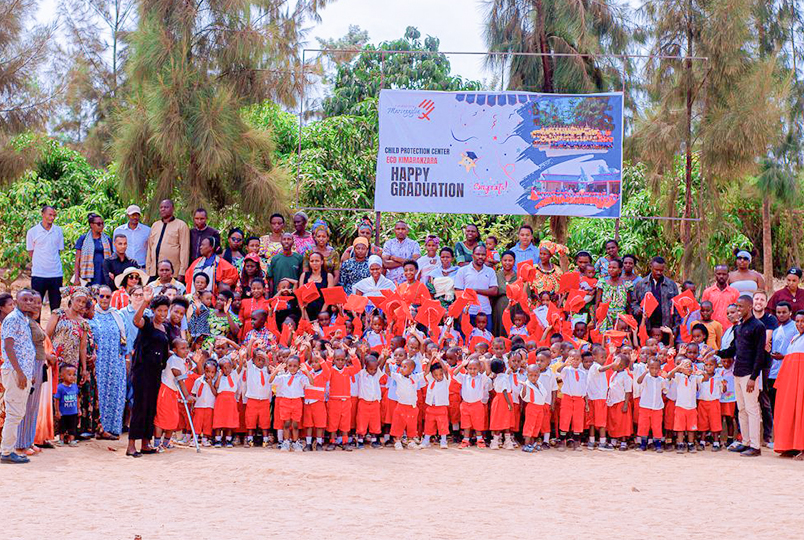
One of our first stops was Rilima, where we visited the Early Childhood Development Centre (ECD), built by the Foundation in 2020, on a very special day: the children’s graduation ceremony.
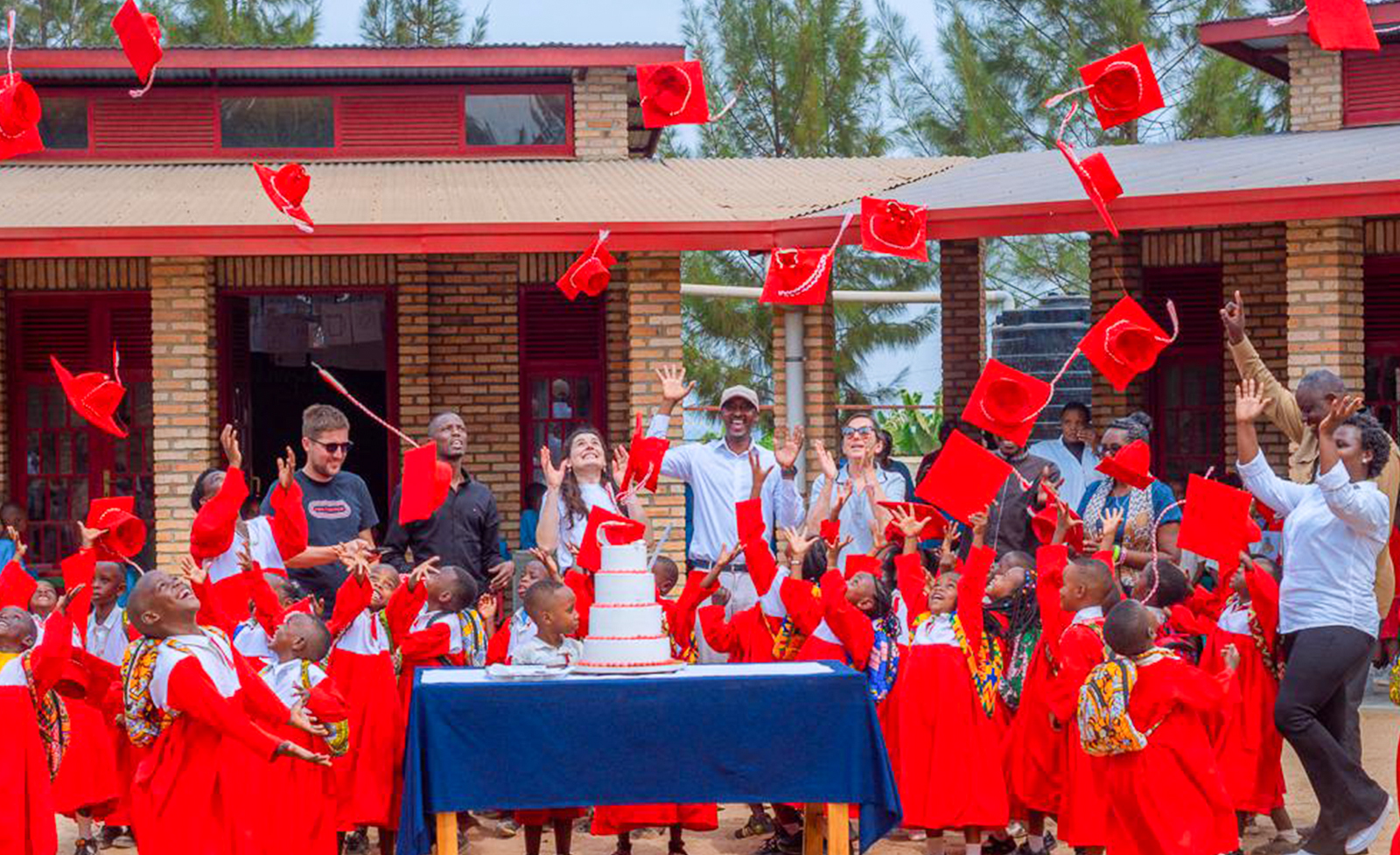
It was one of those moments when the word “project” almost feels too cold. There were children, parents, the management committee and the staff. There was the simple yet powerful emotion of a community coming together around the growth of its youngest members.
We also met several representatives of the Parents’ Committee, the group of parents who take part in the life of the centre. It was important to see how the involvement of families is not a minor detail, but an essential part of the work. There is a very strong bond between the parents and the school. They recognise the impact the ECD has on the children’s lives, not only in terms of education, but also nutrition, care and, ultimately, their future.
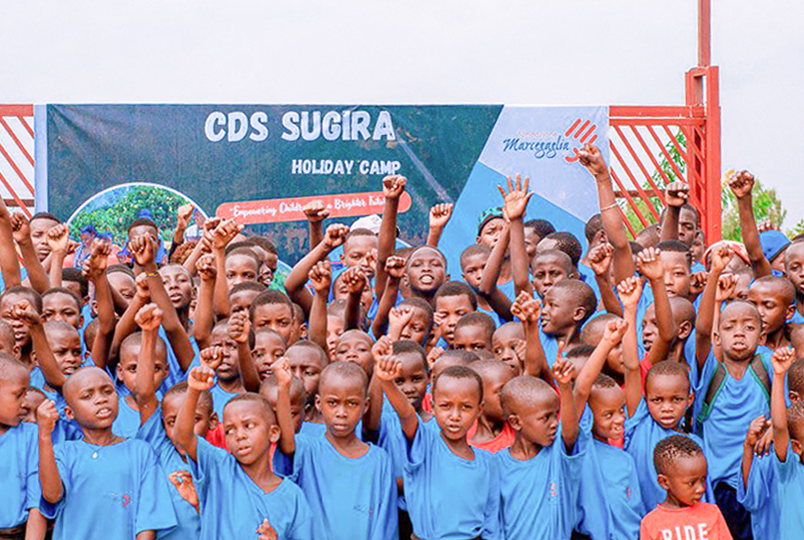
Educating a child, especially during the earliest years of life, does not simply mean providing a service. It means creating a safer, more attentive environment around them, one that is better able to support their growth.
“Children who leave our ECD have an advantage. They are well prepared and ready to begin primary school without difficulty. […] Today, the ECD is a central point for the whole of Rilima, both for school and for afternoon activities, as well as everything that takes place during leisure time, such as sporting and recreational events” says Alphonse Harerimana, President of the Parents’ Committee.
This is precisely what struck me: the feeling that the ECD was not simply a place for children, but a small point of reference for the whole community. A place where important things happen, a place created to be a school but which has now become a “home” for the community.
The scholarship students: the future sitting around the same table
The following day, we met the students who benefit from the Scholarships project.
It was one of the most beautiful and, for me, one of the most moving encounters. Because when you speak to young women and men who are continuing their studies thanks to a scholarship, you immediately understand that financial support is only one part of the story.
There is much more behind a scholarship: the possibility of not having to interrupt an educational path. A family that can continue to hope. A young person who feels seen, chosen and supported. The belief that talent, even when it emerges in a vulnerable context, must be given the space to grow.
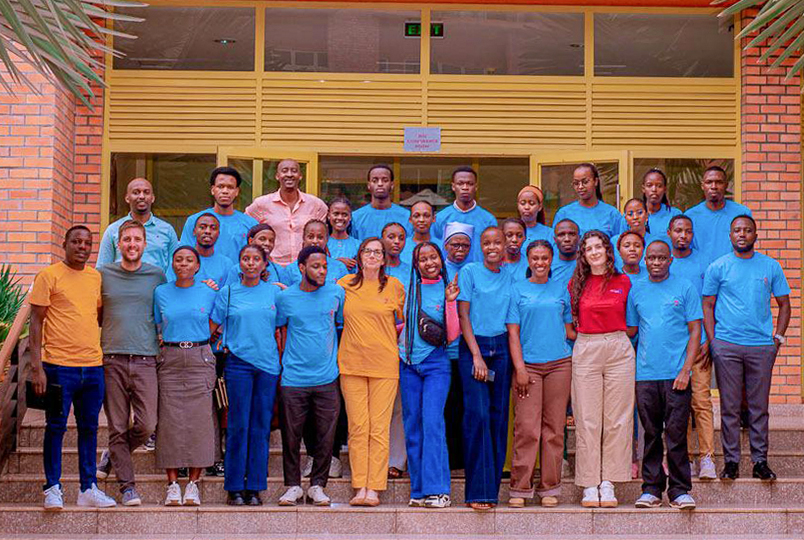
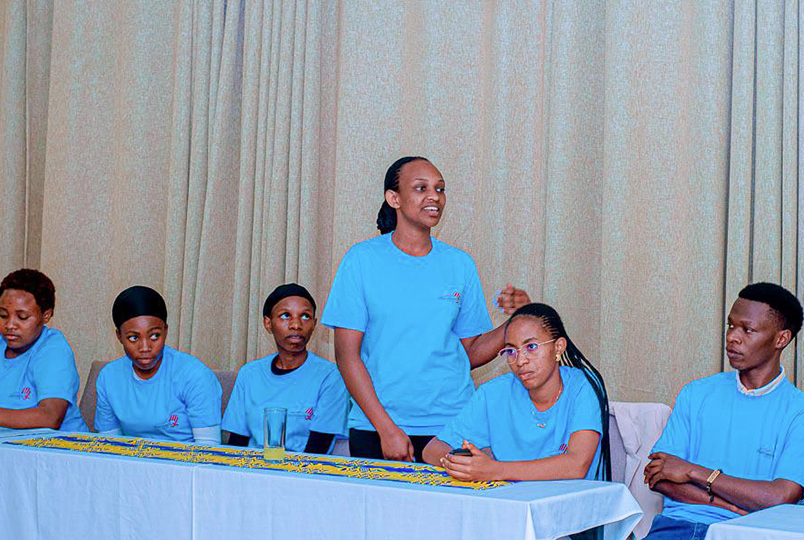
During the meeting, we gathered testimonies and listened to expectations, dreams and difficulties. Some spoke to us about their university studies, others about their hopes for the future, and others still about their desire to give something back to their community one day.
“You changed my story for ever; your contribution was invaluable. I am an ambitious young woman, but it was only thanks to your trust that I was able to turn my dream into reality” Rachel told us. She has just completed her nursing studies at the RULI Higher Institute of Health.
“The change brought about in our lives does not stop with us; it reaches our families and our communities. We will not forget your generosity. In fact, from today we feel doubly responsible” continues Josine, a student on the Entrepreneurial Leadership programme at the African Leadership University (ALU).
“The scholarship arrived at the darkest moment of my life. Today, thanks to it, I have a job. Without it, I would not have been able to help my family” concludes Irenée, who graduated in Software Engineering, also from ALU.
At that moment, I thought that perhaps we use the word “opportunity” too often. But there, it was exactly the right word. An opportunity does not erase every difficulty. But it opens a path and, sometimes, changing a life requires exactly that: a path that did not exist before, and trust that sets a person moving towards the future.
MVTC: learning a trade, imagining a future
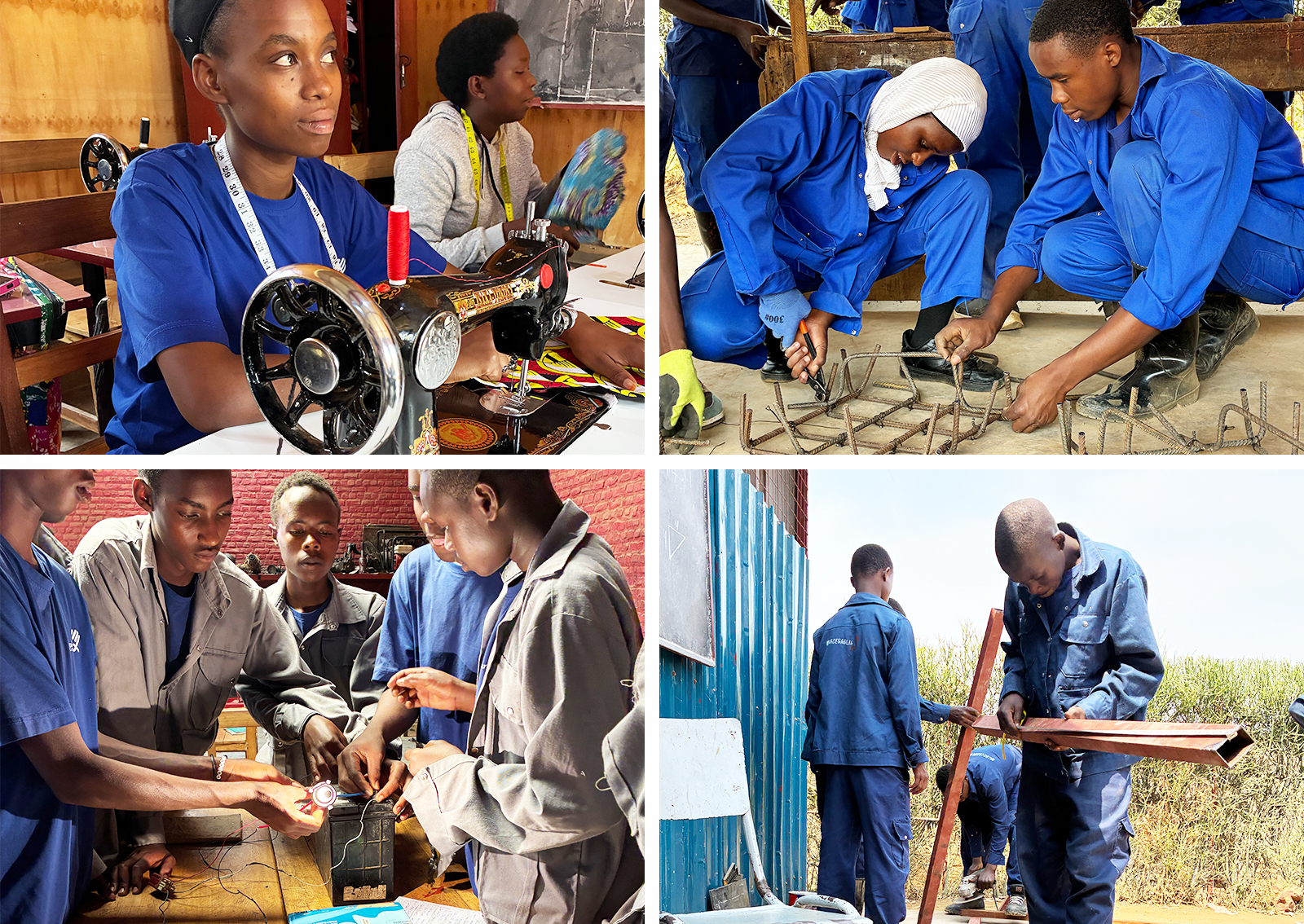
One of the central stages of the mission was the Marcegaglia Vocational Training Centre (MVTC), our vocational training centre. Every six months, the centre trains an average of 150 students in tailoring, welding, construction, multimedia, hairdressing and mechanics. Young women and men ready to work and support their future.
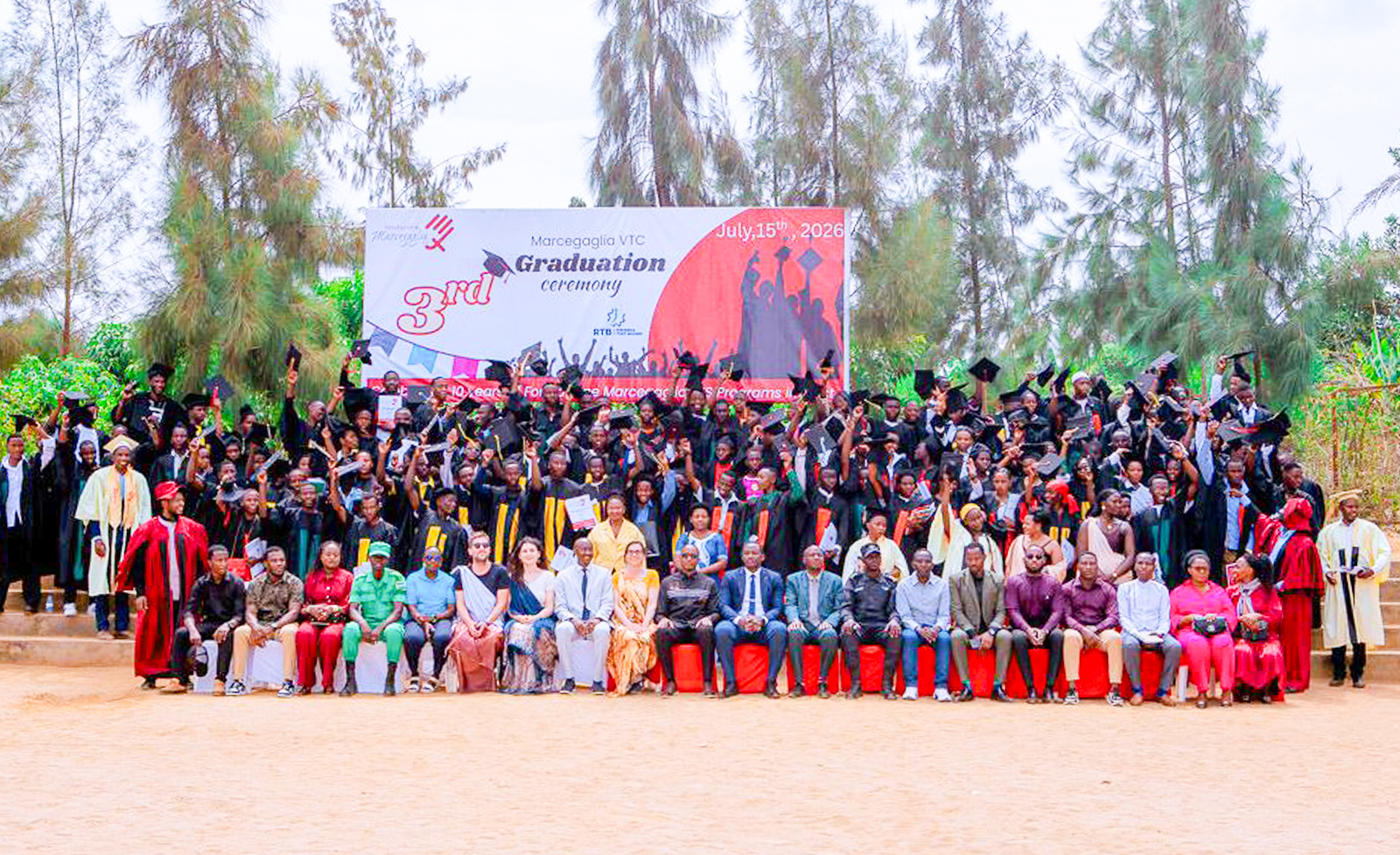
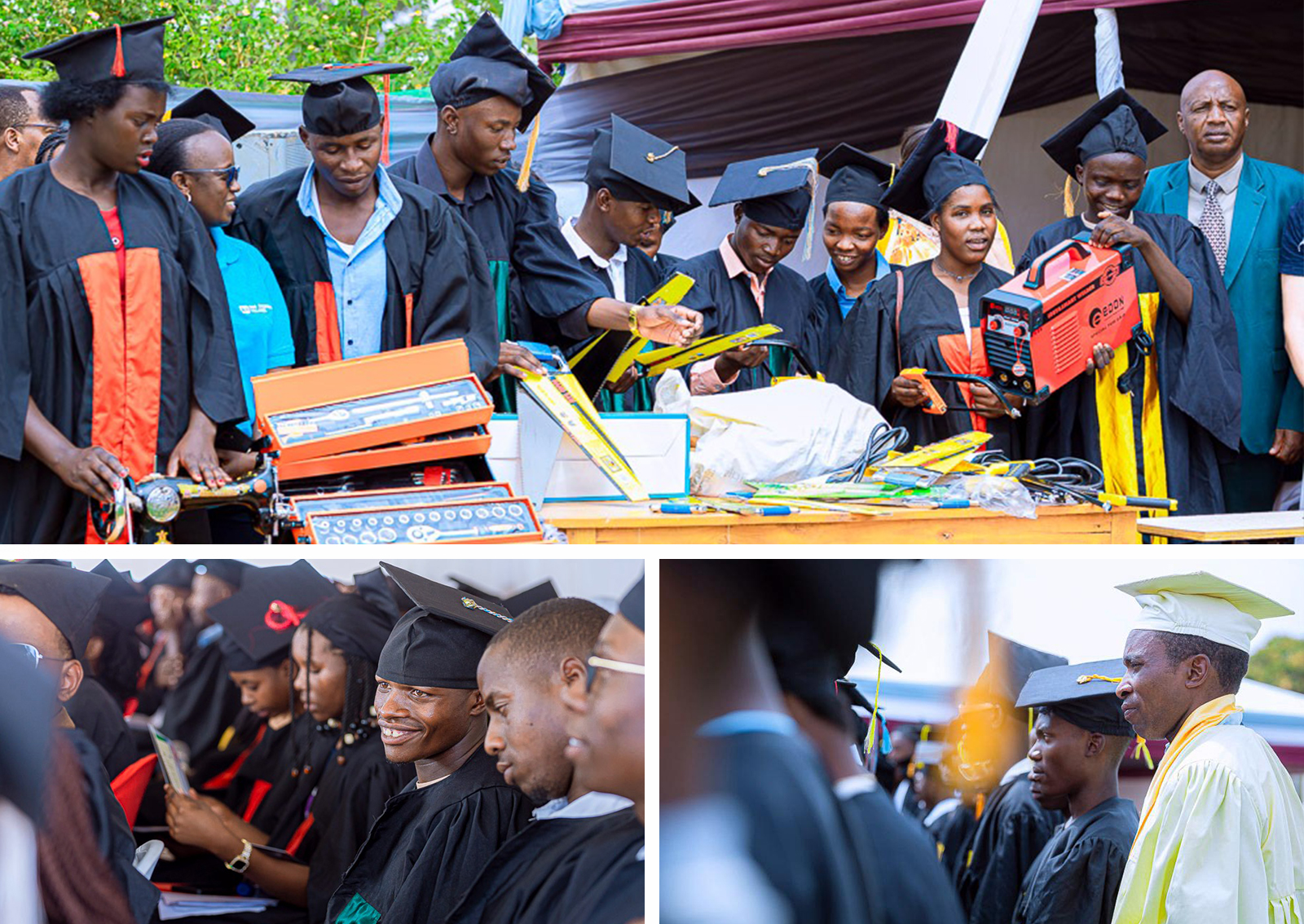
We met institutional partners, visited training activities, spoke with instructors, observed young people engaged in their courses and, above all, took part in a highly significant moment: the graduation ceremony and the distribution of toolkits. It felt like a handover. A moment when the training received begins to become work, autonomy, income, a personal project and support for a family.
Seeing the emotional faces of the young women and men who had just graduated, and the pride on their parents’ faces, was one of the most intense moments of the mission.
It was also an opportunity to celebrate ten years of technical and vocational activities for young people.
“Ten years of collaboration have been invaluable to the development of our district. They have changed the lives of hundreds of families, children and young people. Technical skills represent value and the future. Rwanda needs people with skills, discipline, dedication, an innovative spirit and the ability to adapt. Vocational and technical training is one of the pillars of sustainable development” said Richard Mutabazi, Mayor of the Bugesera District.
“There is no better investment we can make than investing in the education of young people. The government is grateful for the support you are providing to our community. Training a young person, giving them prospects and a job, is one of the most valuable things we can do today to build a cohesive and developed society” added Geoffrey Rutagambwa, Adviser to the Director General of the Rwanda TVET Board.
All the young women and men we met at the end of the ceremony, in different ways, conveyed the same message: how important it is to acquire practical skills that can be used and recognised in the local labour market. Training is never simply about learning: it is trust, dignity and possibility.
“I completed five months of training in multimedia, followed by a one-month internship. I now work in a photography studio. These short courses are excellent: they prepare us quickly and allow us to become productive, help one another and support our families” says Fillette, an MVTC student.
On the ground, impact is never merely a number. It is a young woman taking control of her future. It is an opportunity for a family.
Fondo Robi: autonomy taking shape
During the mission, we also visited several activities supported by Fondo Robi, particularly initiatives connected with microcredit, VSLA groups – savings and credit groups – and small-scale female entrepreneurship.
These were very concrete encounters and, perhaps for that very reason, particularly powerful.
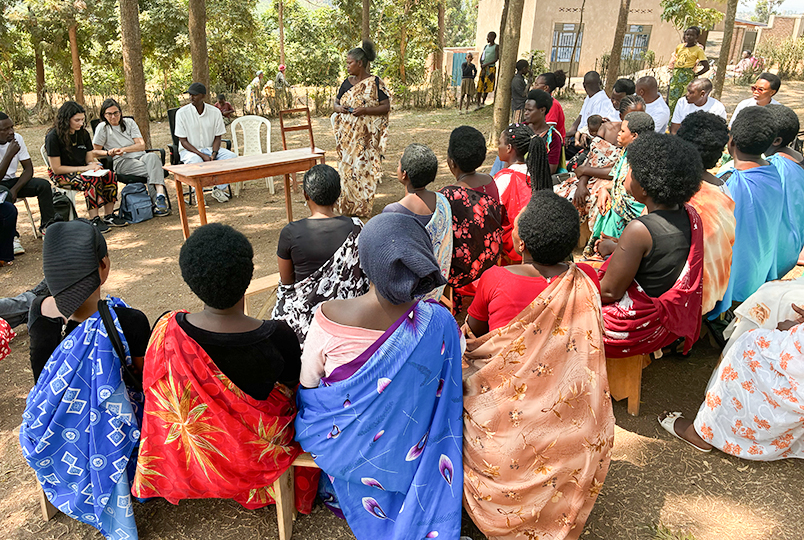
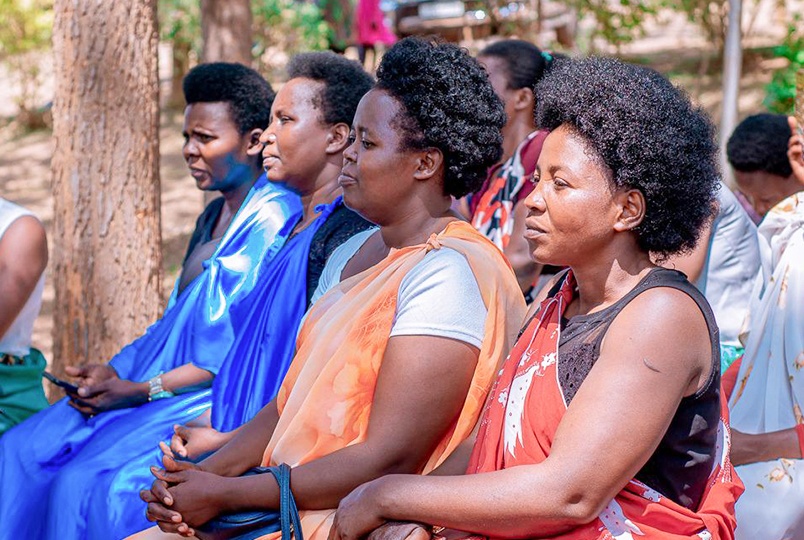
We saw businesses that were already operating, listened to women who are building small sources of income, and met groups that organise themselves, save, invest and support one another. We also visited a tailoring workshop and met some of the women involved in the microcredit programmes.
Here, the concept of autonomy becomes something tangible. It is not a slogan. It is a woman who is able to purchase materials for her business. A group deciding together how to use its resources. A small company being created. A skill becoming income.
“I am 32 years old, a mother of two, and today I can say that I am happy. There are three of us in the business and we were all students at the MVTC. Thanks to the support of Fondo Robi, we purchased three sewing machines, which have allowed us to increase our income. Today, our workload has improved” said Marie, a beneficiary of the Capital Boost initiative made possible by Fondo Robi for established female microenterprises.
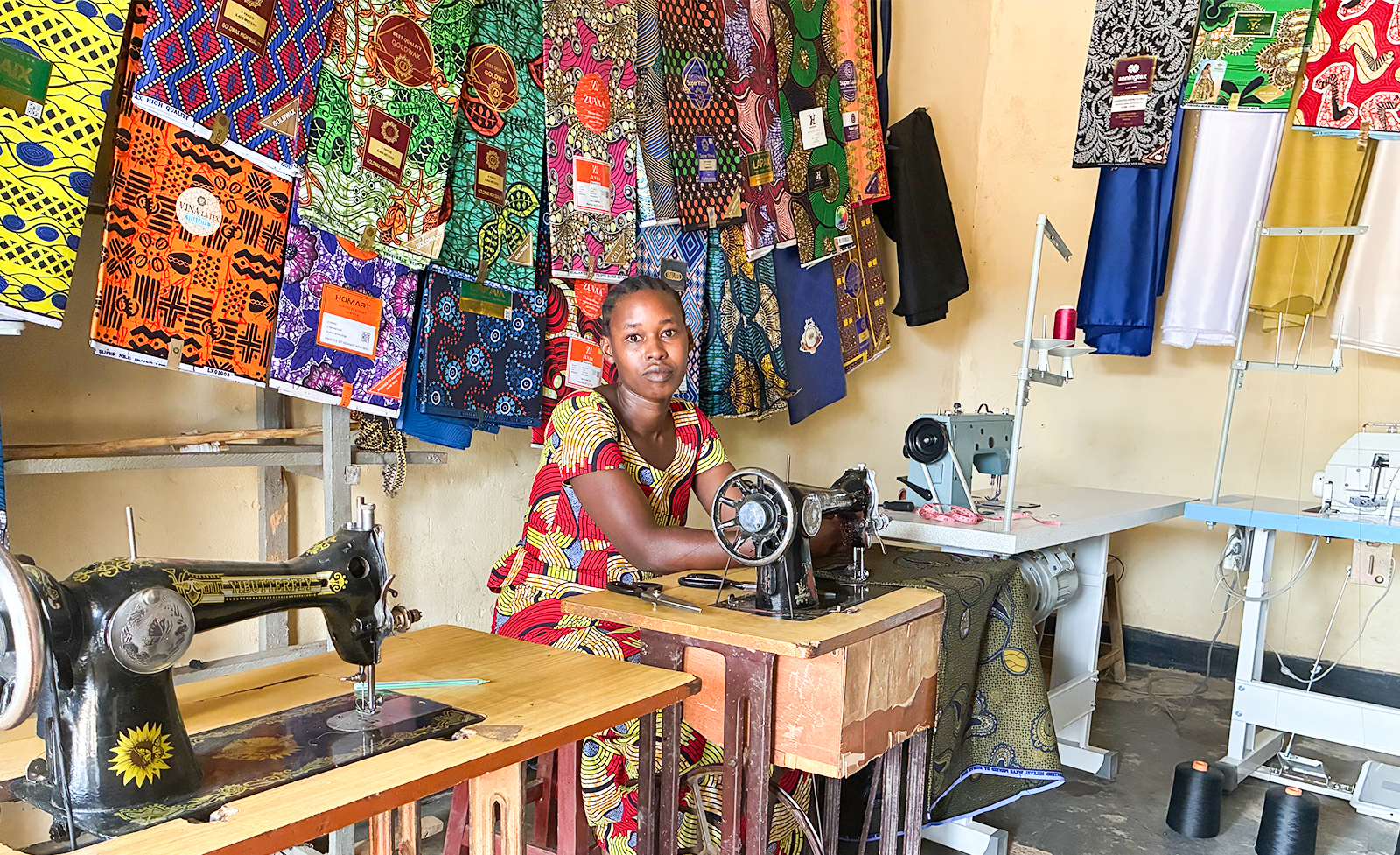
“We produce soap and detergents for household and personal care. We are three young women and the company has only recently started. With the first loan we received, we bought equipment that allowed us to increase production because there is a great deal of demand. We have orders from hotels and warehouses in Kigali” says Miriam, a member of a VSLA group.
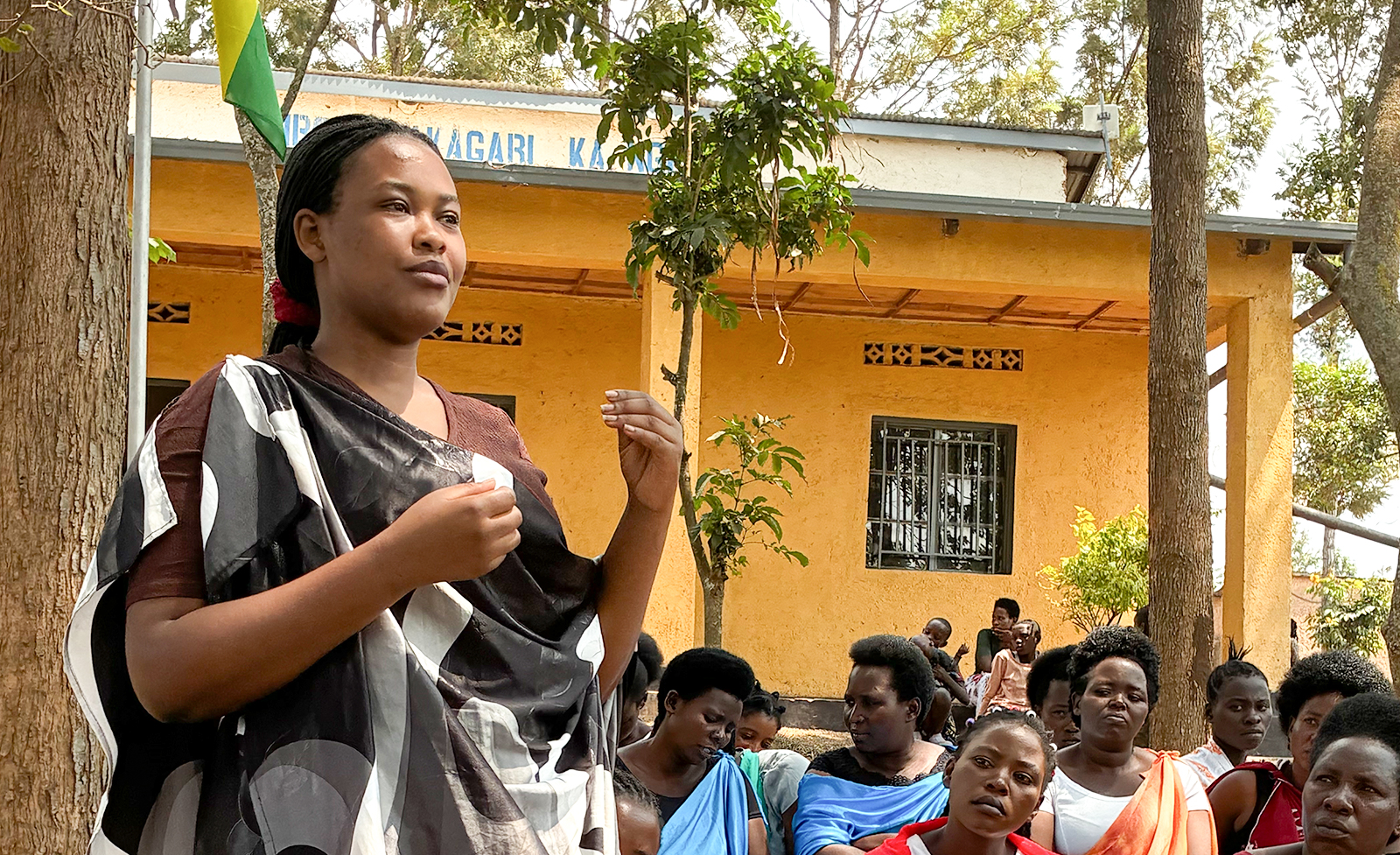
These stories only appear small. In reality, they contain enormous strength: the strength of people who are not simply asking for help, but for the tools they need to stand on their own feet.
School, a meal and the possibility of staying
An important part of the mission was also dedicated to the school feeding project and efforts to prevent school dropout. During those days, it was not possible to visit the schools directly, as they were closed for national examinations. We did, however, meet several beneficiary families and visit them in their homes. Perhaps these home visits made the meaning of the project even clearer.
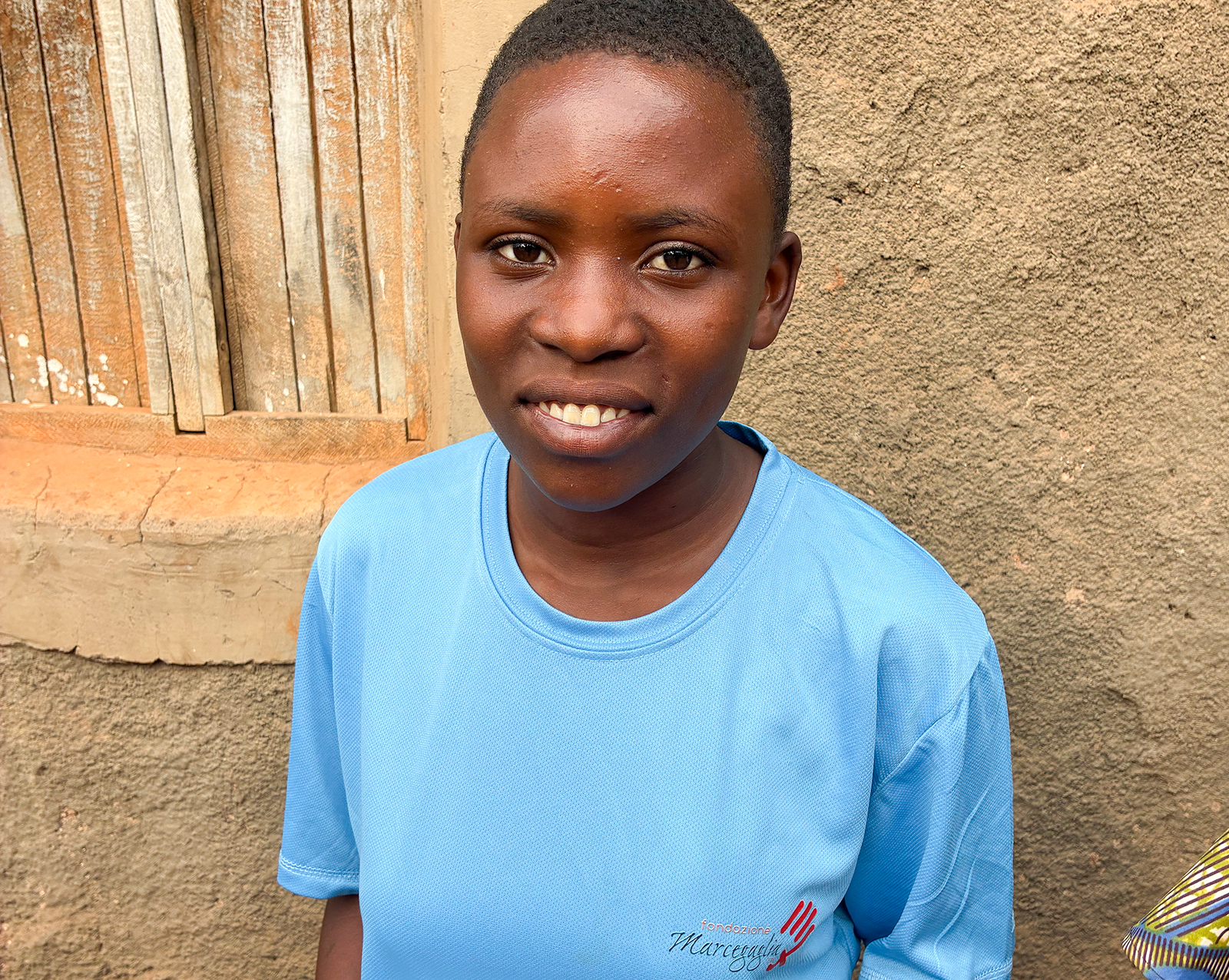
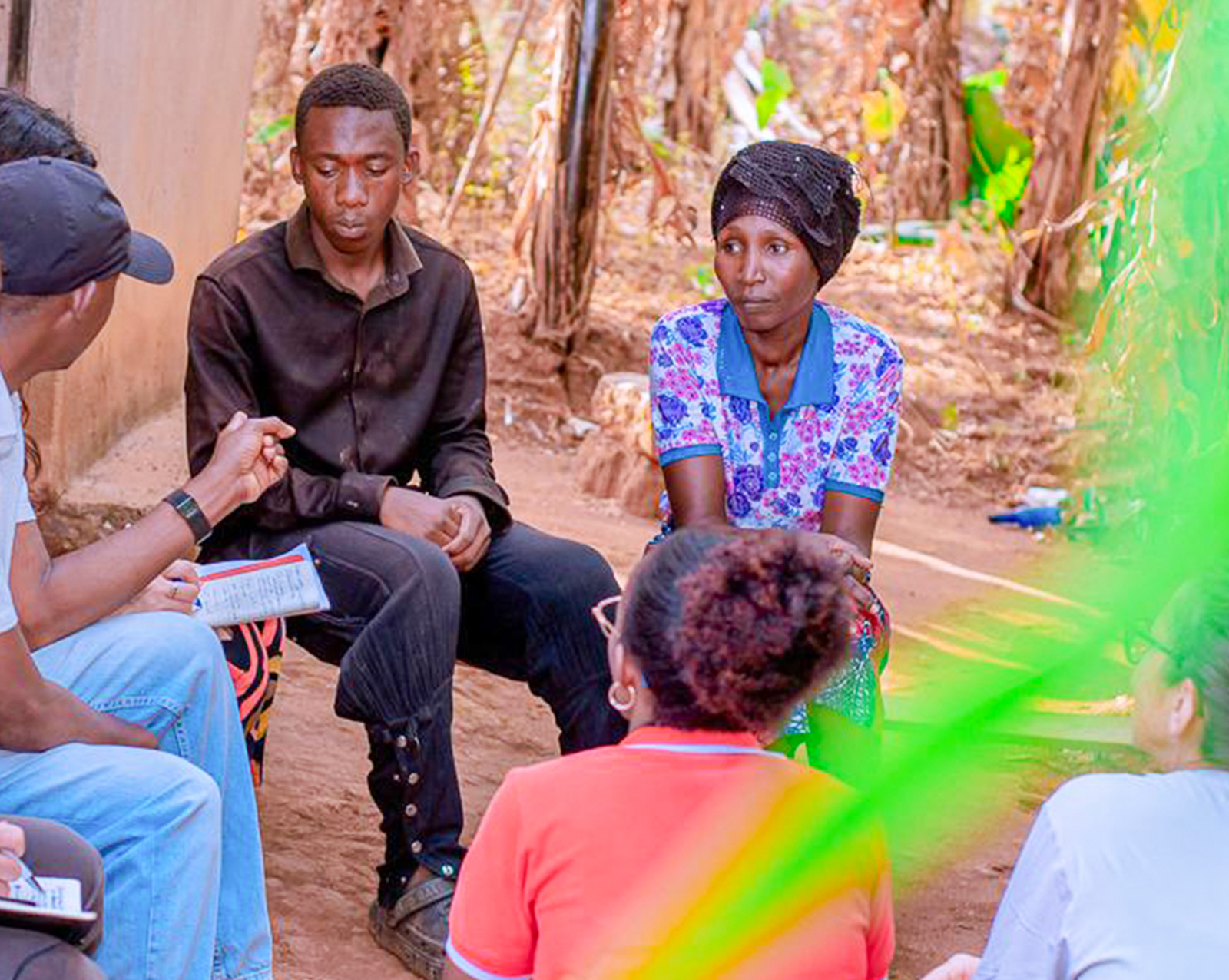
For many vulnerable families, sending their children to school is not something that can be taken for granted. Sometimes the issue is the cost of the school meal, sometimes school materials, and sometimes the difficulty of ensuring continuity amid very urgent everyday needs.
“Without your support, my son Albert would not have been able to attend school. I have five children to feed and it was impossible. Now it fills my heart to see that he works hard, studies and wants to become an engineer. This gives all of us great hope” says Beata, Albert’s mother and a beneficiary of the project.
From a distance, a school meal may seem like a simple measure. Up close, you understand that it is much more. It is school attendance, protection and nutrition. It is a family able to keep the possibility of education open.
“Before the project, I was unable to attend because I had no school materials or food for the canteen. Now I can attend classes, go to school and eat, and my family is happy too” says Eugenie, a beneficiary of the projec
I was struck by the thought that, here, the right to education depends on very concrete things: a meal, a notebook, a uniform, the certainty of being able to return to the classroom the following day.
Malnutrition: when care comes through the community
In Musenyi, we also visited the project aimed at combating malnutrition at the Health Centre, where we met several families involved. Over the past year, we have supported 17 cases involving children who, after overcoming the acute phase of malnutrition, required targeted assistance to reduce the risk of relapse.
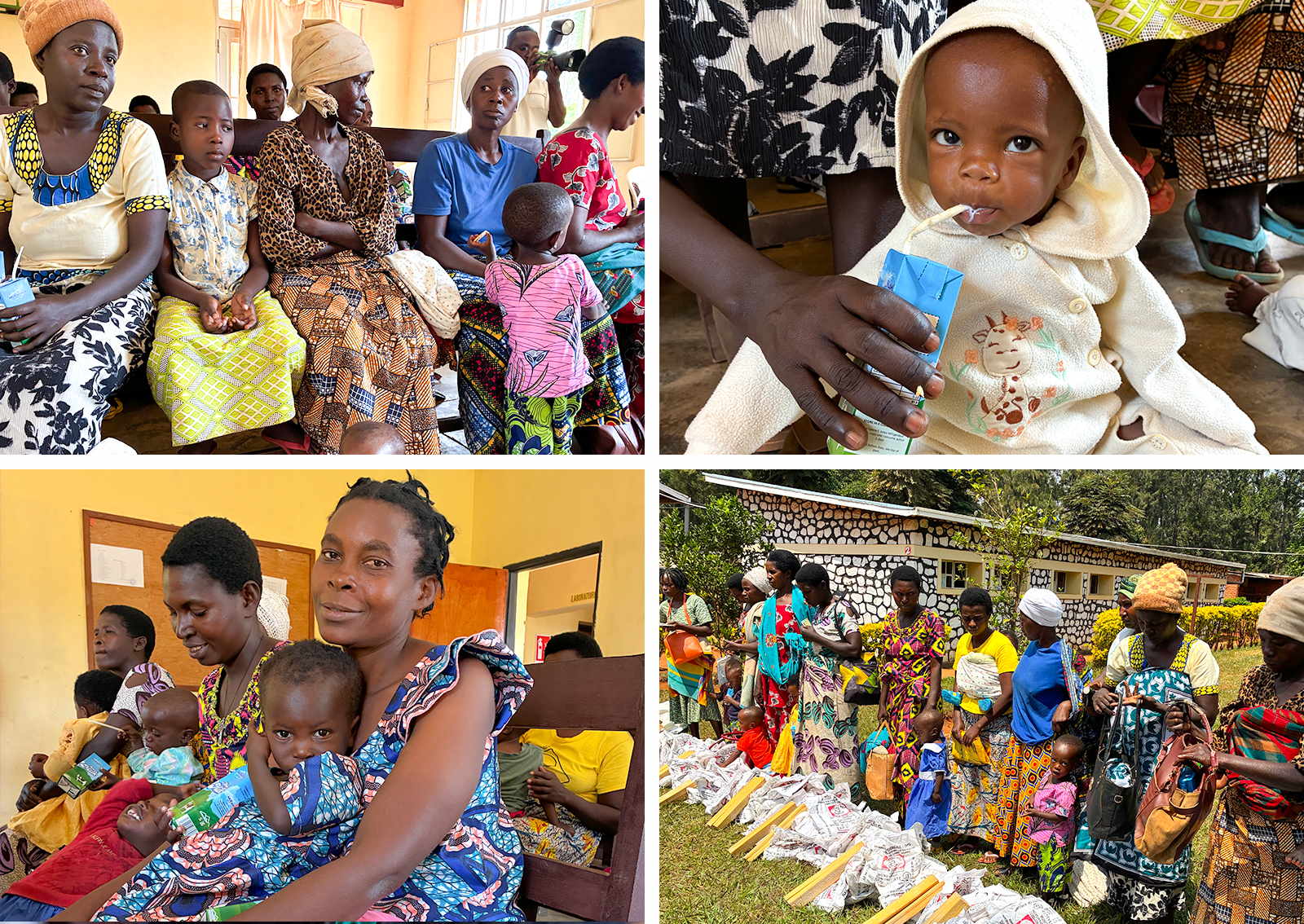
It was a delicate visit, perhaps one of the most powerful from a human perspective.
Talking about malnutrition means talking about profound vulnerability. It means entering complex family stories in which health, poverty, nutrition, religious choices, relationships between husbands and wives, childcare and access to services are constantly intertwined.
Here too, however, we did not only see need. We saw the response. We saw the work of the staff, their relationship with the health centre and the support provided to families.
“My two children have been supported for around a year and showed clear signs of malnutrition. They are now well and are beginning to interact and play. We were desperate. Thanks to the project, we regularly receive porridge and soap for the hygiene of the whole family” says Odette, mother of twins who benefit from the malnutrition project.
There are moments when you realise that cooperation is not only about large-scale interventions. Sometimes it consists of a constant presence, monitoring, care and small improvements that, taken together, truly change the life of a family.
Partners, institutions and future prospects
The mission was also an important opportunity to meet institutional partners and local organisations.
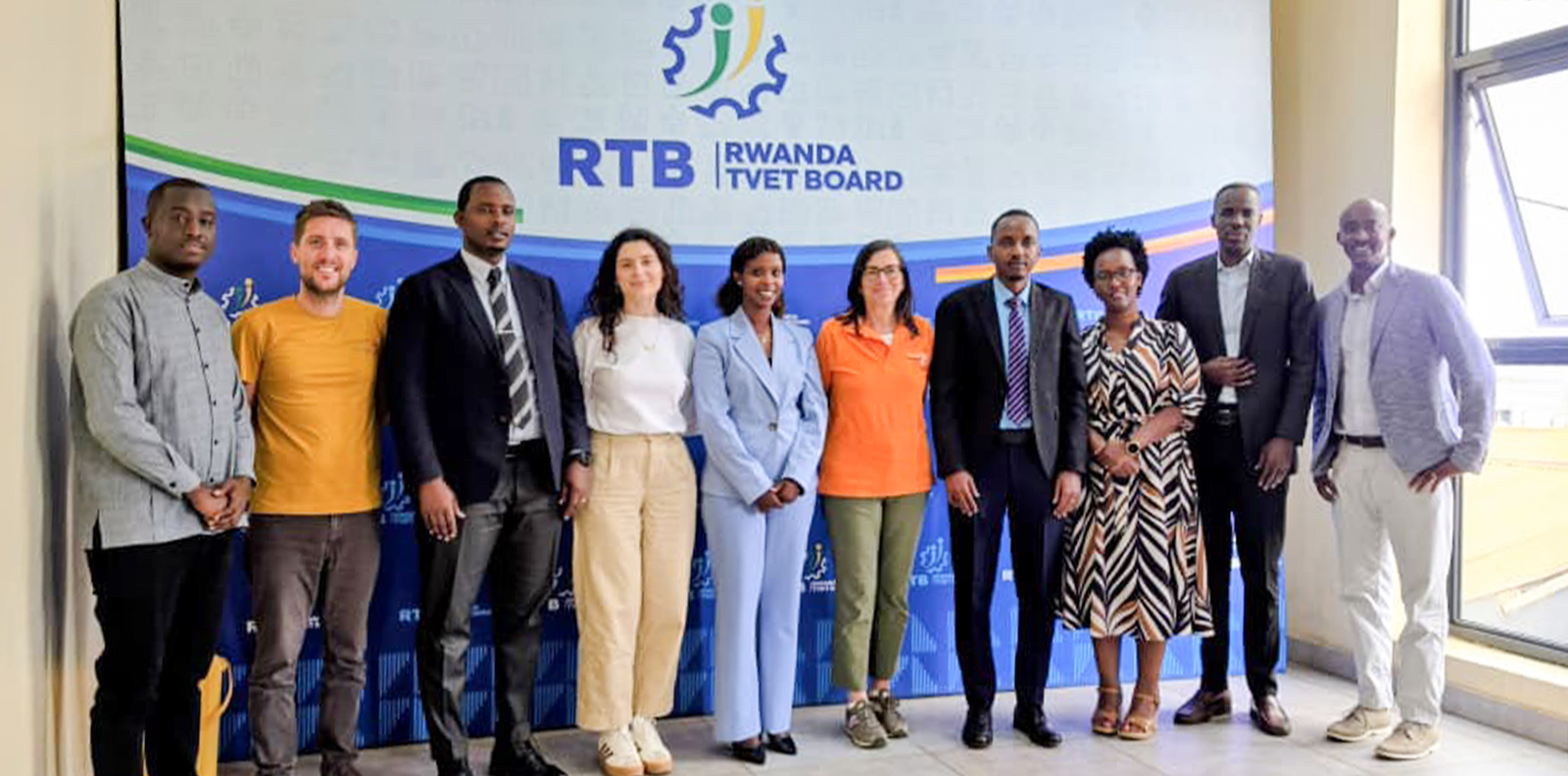
We met the Rwanda TVET Board (RTB), a partner in the MVTC project, for a discussion. These meetings are essential because the Foundation’s work in Rwanda does not exist in isolation: it forms part of a network of relationships with institutions, communities and local partners.
“We thank you for helping our government achieve the objectives we have set in terms of training young people and creating employment opportunities. Working with organisations such as yours, which have proven to be reliable, practical and genuinely attentive to the needs of the local area, is of great value to us” said Agaba Nassi Bisengo, Deputy Director General of the RTB.
Future prospects also emerge from these conversations: new needs, possible developments, areas to strengthen and opportunities to evaluate.
Because monitoring does not simply mean looking at what has already been done. It also means asking: what is needed now? Where can we improve? How can we better support the people we have met?
The stories behind the figures
This mission allowed us to collect data, updates and evaluations on the different projects:
158 students trained at the MVTC between September 2025 and March 2026;
153 students currently undergoing training between March and September 2026;
20 scholarships awarded during the latest academic year;
214 beneficiaries of the school feeding programme attending school;
320 women benefiting from the microcredit programme through Fondo Robi and the VSLA groups;
56 children involved in the malnutrition project.
Discover all the projects supported by Fondazione Marcegaglia.
Figures are important. They allow us to report, measure and improve. They clearly show where resources are going and what results they generate. But after a mission like this, those figures are no longer simply numbers.
Behind every young person trained is someone trying to build a career.
Behind every scholarship is hope that can continue.
Behind every school meal is a child who can remain in the classroom.
Behind every microcredit loan is a woman trying to strengthen her autonomy.
This is perhaps the most important lesson I am bringing home: real impact is measured through data, but it is understood through people and their stories.
What I am bringing home
I do not want to describe this mission as though it were simply an orderly sequence of meetings and visits. Because it was not. It also involved fatigue, travelling, notes written in haste, names and stories to remember, and photographs taken without intruding.
Above all, it was emotional.
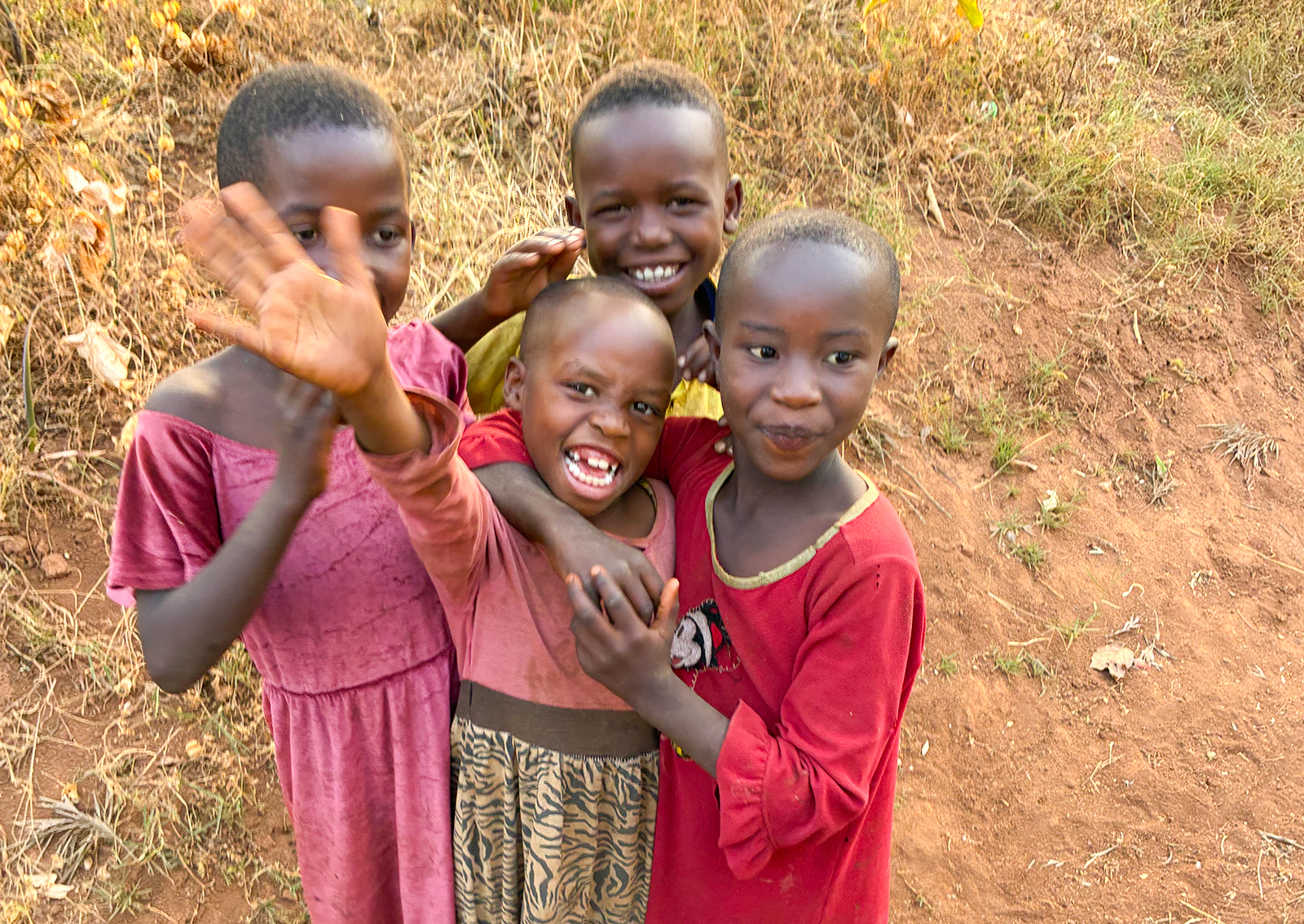
I am returning with a very positive assessment of the work Fondazione Marcegaglia is carrying out in Rwanda. The projects are alive and deeply rooted. They respond to real needs. They have a clear direction: education, training, autonomy and community development. Above all, they are supported by people who know them, follow them and help them grow.
A monitoring mission serves to verify. But it also serves to remind us why we chose to be there. And why we must continue to be there.
Moving forward, together
In Rwanda, we saw that training is not simply about learning: it is a concrete opportunity for autonomy. And this is why our commitment continues.
It continues through our determination to strengthen educational and vocational pathways.
It continues by listening to communities.
It continues through the work of the local team.
It continues thanks to those who, even from afar, choose to be part of this journey.
To those who support Fondazione Marcegaglia, those who follow our updates and those who choose to walk alongside us, I want to say thank you.
Because “changing the world” may sound like an enormous expression. But on the ground, you understand that it often begins with something much smaller: a classroom of children, a trade learned, a family supported.
One person at a time.
One community at a time.
Together.
Alberto Fascetto
Head of Communications, Fundraising and Partnerships